


Best Foods to Break a Fast (And What to Avoid at All Costs)
✨ Key Takeaways
- Learn the best practices of intermittent fasting for optimal health.
- Understand how to track your fasting windows effectively.
- Discover the science-backed metabolic benefits of fasting.
In This Article
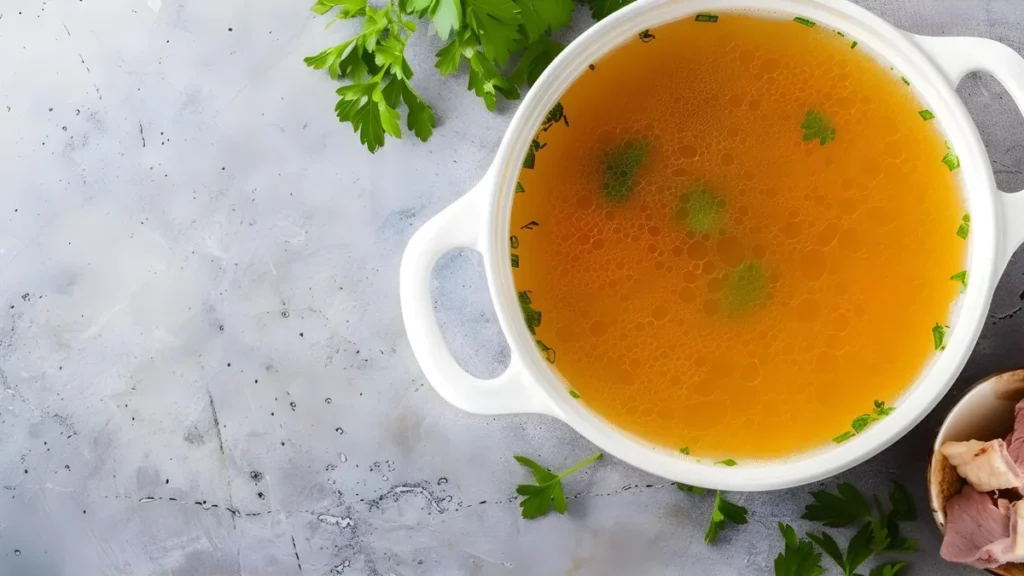
The best foods to break a fast are gentle, nutrient-dense, and easily digestible whole foods: bone broth, eggs, cooked non-starchy vegetables, avocado, and wild fish. After fasting for 16 to 24+ hours, your digestive system is in a dormant state with reduced digestive enzyme and stomach acid production. Breaking your fast correctly prevents digestive distress, avoids severe blood sugar spikes, and maximizes nutrient absorption.
⚡ The 3 Golden Rules of Breaking a Fast
- 1. Start Small: Begin with a small pre-meal (e.g., warm bone broth or half an avocado) 20-30 minutes before your full meal.
- 2. Prioritize Protein & Healthy Fats: High protein preserves muscle and prevents reactive hypoglycemia.
- 3. Avoid High-Glycemic Carbs: Refined sugars, pizza, and pastries after fasting cause severe insulin spikes and fatigue.
What to Eat vs What to Avoid When Breaking a Fast
The 2-Phase Refeeding Protocol for Fasts Over 18 Hours
For fasts exceeding 18–24 hours, follow this 2-phase approach:
- Phase 1 (The “Primer” – 30 mins before): 1 cup of warm bone broth with a pinch of salt, or 2 scrambled eggs. This gently awakens stomach acid and gastric enzymes.
- Phase 2 (The “Main Fuel”): A balanced whole-food meal: grilled salmon, roasted sweet potatoes, and steamed spinach with olive oil. Calculate your target calories using our TDEE Calculator.
Track Your Fasts and Meal Timing
Never miss your eating window. Get gentle meal reminders and track your nutrition with FastingTracker.
Download Fasting Tracker for iOS →Medical References
- Mattson MP et al. (2018). Intermittent metabolic switching, neuroplasticity and brain health. Nature Reviews Neuroscience.
- Popkin BM et al. (2010). Water, hydration, and health. Nutrition Reviews.

Does It Break Your Fast? Interactive Drink Checker
Search or filter any drink to verify its impact on insulin, ketosis, and cellular autophagy in real-time.
Pure black coffee does not break a fast. Its high chlorogenic acid content actually accelerates cellular autophagy and fat oxidation.
Unsweetened green tea contains potent EGCG catechins that stimulate AMPK and enhance fat breakdown while keeping insulin completely flat.
Pure water is the gold standard for fasting. It assists liver kidney clearance without causing any metabolic disruption.
Squeezing a wedge of lemon adds trace vitamin C and potassium. With fewer than 3 calories, it will not trigger an insulin spike or break fasting.
1-2 tablespoons diluted in water helps stabilize gastric emptying, suppresses appetite, and has zero negative effect on fasting.
Zero caloric value keeps ketosis intact, but artificial sweeteners (sucralose, acesulfame K) may trigger sweet cravings or cephalic phase insulin release.
Excellent for "dirty fasting" or multi-day electrolyte preservation. However, its amino acid content (glycine, proline) pauses mTOR autophagy.
Pure fat keeps you in ketosis, but the incoming calories prevent cellular autophagy and cause the body to burn dietary fat before body fat.
Lactose is a dairy sugar that immediately raises blood glucose and insulin, stopping lipolysis and breaking your fast within minutes.
High fructose concentration floods the liver, triggers rapid insulin release, and instantly terminates both ketosis and autophagy.
Although rich in potassium, natural coconut water contains 9-11 grams of natural carbohydrates per cup, which breaks your fasting window.
The liver halts all fat oxidation and ketone synthesis to prioritize metabolizing toxic alcohol byproducts, severely stressing your metabolism.
Track daily hydration, fasting windows, and get notified when entering peak autophagy with FastingTracker.
📖 Related Fasting Guides & Research

📚 Scientific Studies & Medical References (5 Sources) ▼
FastingTracker adheres to strict editorial standards, citing peer-reviewed clinical trials and authoritative medical institutions.
- New England Journal of Medicine (2019): de Cabo R, Mattson MP. Effects of Intermittent Fasting on Health, Aging, and Disease. N Engl J Med. 381(26):2541-2551. PubMed 31881139 • DOI
- Cell Metabolism (2014): Levine ME, Suarez JA, Brandhorst S, et al. Low Protein Intake and Periodic Fasting Promote Longevity and Autophagy. Cell Metab. 19(3):407-417. PubMed 24606898 • DOI
- Obesity (Silver Spring, 2018): Anton SD, Moehl K, Donahoo WT, et al. Flipping the Metabolic Switch: Understanding and Applying Health Benefits of Fasting. Obesity. 26(2):254-268. PubMed 29086496 • DOI
- Annual Review of Nutrition (2017): Patterson RE, Sears DD. Metabolic Effects of Intermittent Fasting. Annu Rev Nutr. 37:371-393. PubMed 28715993 • DOI
- Autophagy (2010): Alirezaei M, Kemball CC, Flynn CT, et al. Short-term fasting induces profound neuronal and systemic autophagy. Autophagy. 6(6):702-710. PubMed 20534972 • DOI

Join over 50,000+ people using Fasting Tracker on Android and iOS to time eating windows, calculate ketosis stages, and hit your target weight.
Find Your Ideal Fasting Protocol
Answer 3 quick questions to calculate the safest and most effective intermittent fasting schedule for your body.
Generate a gentle 3-phase refeeding protocol to safely break any fast without digestive distress or insulin spikes.
Personal Fasting Protocol Finder
Answer 3 quick questions to calculate your optimal, science-backed fasting and eating windows.
1. What is your primary health goal?
2. What is your fasting experience?
3. What matches your daily lifestyle?
16:8 Lean Protocol
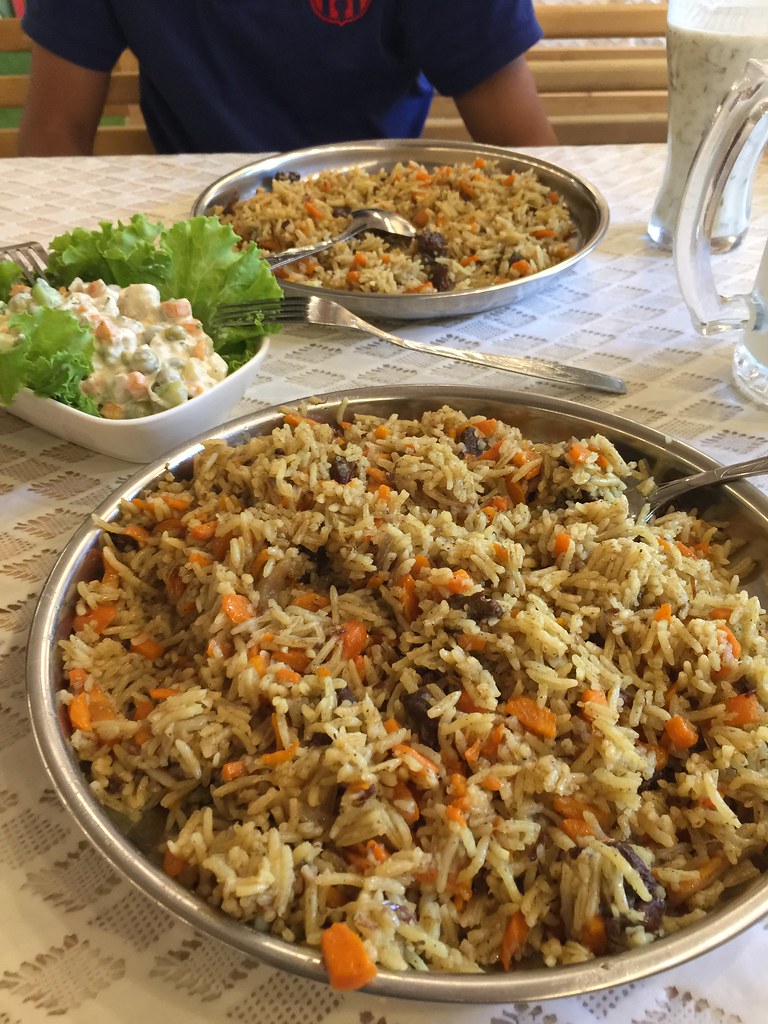
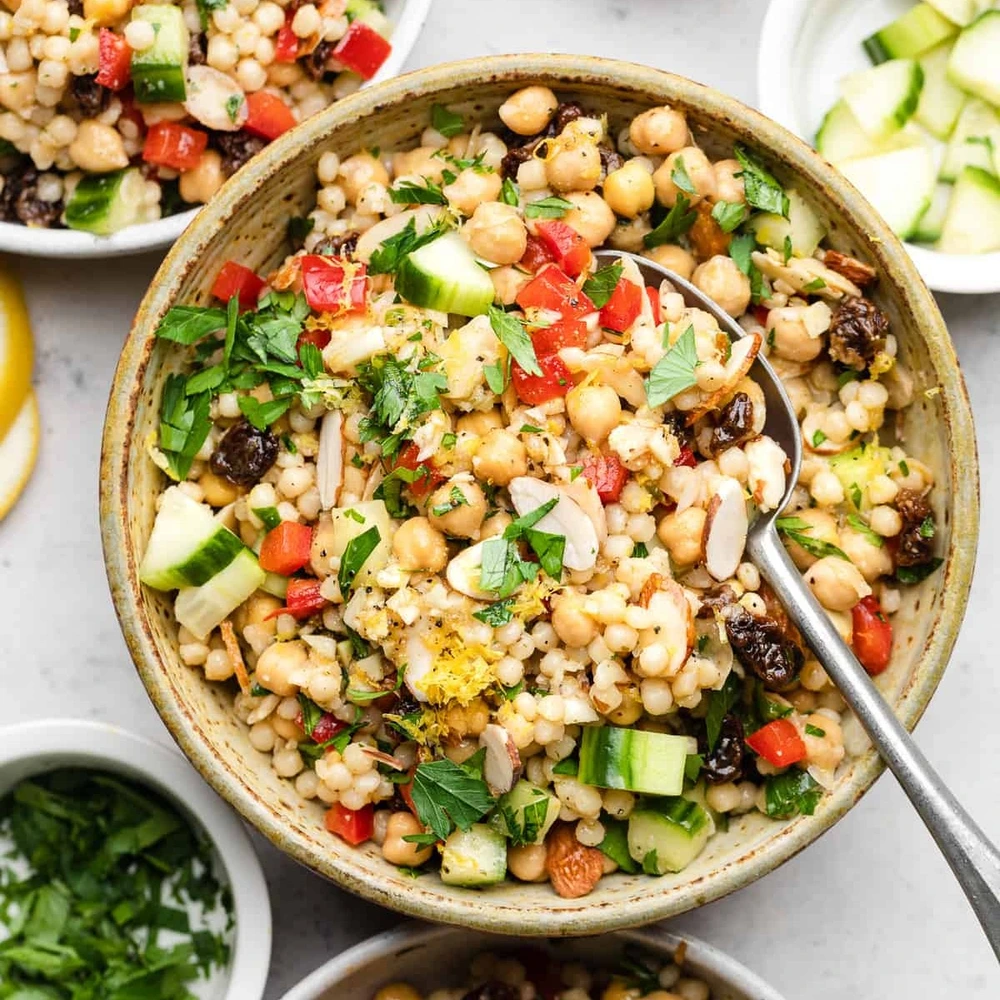
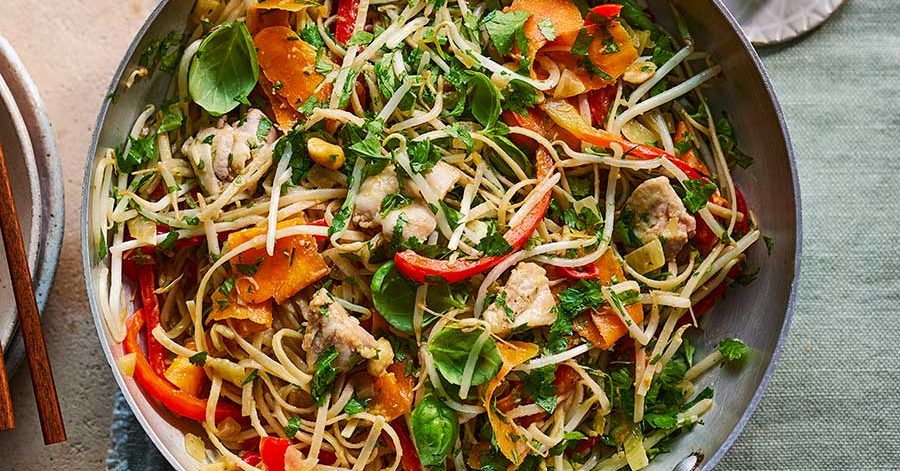
🥗 Best Meals to Break Your Fast
Gentle, nutrient-dense dishes designed to avoid insulin spikes and digestive discomfort when exiting your fast.
📚 You Might Also Like

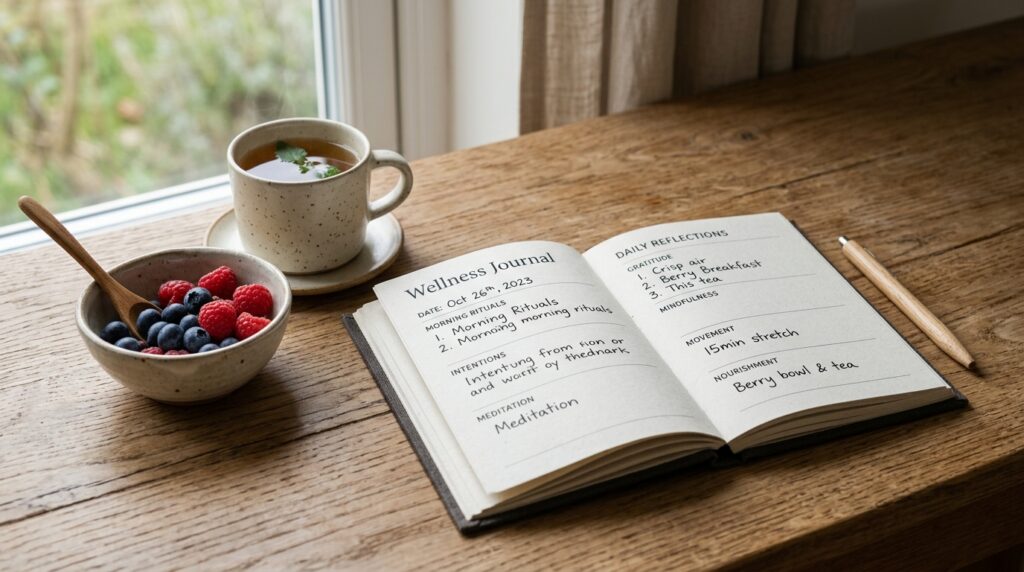
7-Day 14:10 Fasting Meal Plan for Women: 1,400 Calories/Day (Hormone-Safe, PCOS & Anti-Inflammatory)