


Does Matcha Green Tea Break a Fast?
✨ Key Takeaways
- Learn the best practices of intermittent fasting for optimal health.
- Understand how to track your fasting windows effectively.
- Discover the science-backed metabolic benefits of fasting.
In This Article
- The Green Powerhouse of Fasting
- The Nutritional Profile of Matcha
- ⏱️ Track Your Fasting Beverages
- Why Matcha Enhances the Fasted State
- 1. The L-Theanine Advantage
- 2. EGCG and Fat Burning
- 3. Autophagy Support
- The Danger: “Fake” Matcha Drinks
- Key Takeaways for Matcha and Fasting
- Ready to Optimize Your Fast?
- Frequently Asked Questions

The Green Powerhouse of Fasting
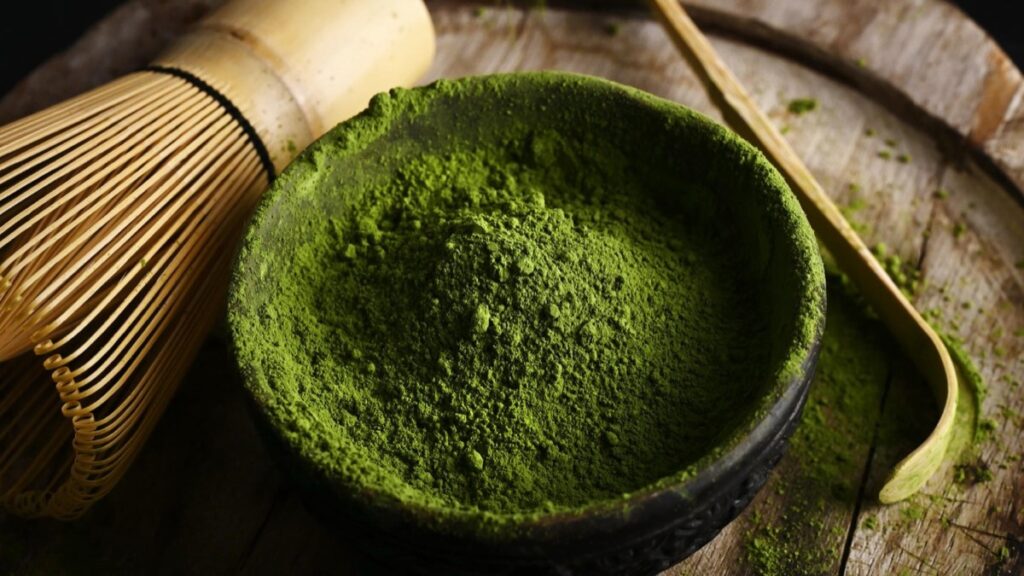
When discussing what is allowed during a “clean fast,” the holy trinity is always plain water, black coffee, and plain tea. While black and green tea are widely accepted, the rising popularity of Matcha—a vibrant, finely ground powder of specially grown green tea leaves—has sparked debate. Because you are actually consuming the whole leaf rather than just steeping it, does Matcha cross the line and break a fast?
For those looking to reap the deep cellular benefits of intermittent fasting while avoiding the jitters of coffee, Matcha is often viewed as the perfect alternative. Let’s examine its nutritional profile and metabolic effects to see if it belongs in your fasting window.
Expert Take (Aly Owen): “Matcha is arguably the healthiest beverage you can consume during a fast, second only to water. The combination of caffeine and L-theanine provides a calm, focused energy that helps you breeze through the final hours of a fast without the anxiety that coffee sometimes causes.”
The Nutritional Profile of Matcha
Matcha differs from regular green tea because you are ingesting the entire tea leaf, meaning you get a more concentrated dose of nutrients, antioxidants, and trace calories. One half-teaspoon (the standard serving size for a cup) of pure, ceremonial-grade Matcha powder contains:
- Calories: ~3
- Carbohydrates: ~0.5 grams
- Protein: ~0.3 grams
- Fat: 0 grams
From a biological standpoint, 3 calories and fractions of a gram of protein/carbs are negligible. It is not enough energy to trigger an insulin spike, nor is it enough protein to activate the mTOR pathway (which would shut down autophagy). Therefore, pure Matcha does not break a fast.
⏱️ Track Your Fasting Beverages
Keep a log of how different drinks affect your energy and hunger levels. Download our Simple Intermittent Fasting Tracker app on iOS to track your fasts and optimize your morning routine.
Why Matcha Enhances the Fasted State
Not only is Matcha safe for fasting, but it actually amplifies the biological processes you are trying to achieve.
1. The L-Theanine Advantage
Fasting naturally raises cortisol and adrenaline. While this is great for fat burning, it can cause anxiety, jitters, and a racing heart, especially if you add black coffee to the mix. Matcha contains high levels of L-theanine, an amino acid that promotes relaxation and alpha brain waves. It perfectly balances the caffeine in the tea, providing “clean,” sustained focus without the crash or anxiety.
2. EGCG and Fat Burning
Matcha is packed with a type of antioxidant called catechins, specifically Epigallocatechin Gallate (EGCG). Studies show that EGCG boosts metabolism and enhances lipolysis (the breakdown of fat). Consuming it in a fasted state, when insulin is already low, maximizes its fat-burning potential.
3. Autophagy Support
Green tea polyphenols have been shown in scientific literature to actively stimulate autophagy (the cellular recycling process). Drinking Matcha during the later hours of your fast (e.g., hours 14-16) can help accelerate this anti-aging process.
The Danger: “Fake” Matcha Drinks
While pure Matcha powder is excellent for fasting, the way Matcha is commonly served in the modern world is a metabolic disaster.
If you order a “Matcha Latte” at Starbucks or a local café, you are not getting pure tea. You are getting a pre-mixed powder that is heavily cut with sugar, combined with milk (oat, almond, or dairy). A typical café Matcha Latte contains 30 to 40 grams of sugar and hundreds of calories. This will absolutely, completely break your fast and spike your insulin to the moon.
Key Takeaways for Matcha and Fasting
- Read the Ingredients: The only ingredient on the label should be “100% pure Matcha green tea powder.” If it lists sugar, maltodextrin, or milk powder, do not buy it.
- Preparation is Key: Whisk the pure powder into hot (not boiling) or cold water. Do not add any milk, cream, honey, or artificial sweeteners during your fasting window.
- Watch Your Stomach: Because it is highly concentrated, drinking Matcha on a completely empty stomach can cause mild nausea in some people. If this happens, dilute it with more water or save it for your eating window.
Ready to Optimize Your Fast?
Fuel your mornings with the right beverages. Get personalized schedules, track your progress, and stay focused with the Simple Fasting App.
Frequently Asked Questions
Does Matcha have more caffeine than coffee?
No, a standard cup of Matcha contains about 30-70mg of caffeine, which is less than a standard cup of brewed coffee (90-140mg). However, because of the L-theanine, the energy boost from Matcha often feels longer and more sustained.
Can I add a squeeze of lemon to my Matcha?
If you are a strict “clean faster,” the fruit flavor of lemon can theoretically trigger a cephalic insulin response. If your goal is pure weight loss, a tiny squeeze is likely fine, but for strict autophagy, keep it plain.
Is ceremonial grade better than culinary grade for fasting?
Ceremonial grade is made from the youngest tea leaves and has a smoother, less bitter taste, making it much easier to drink plain with just water. Culinary grade is more bitter and usually meant to be mixed into baking or lattes.

📚 Scientific Studies & Medical References (5 Sources) ▼
FastingTracker adheres to strict editorial standards, citing peer-reviewed clinical trials and authoritative medical institutions.
- New England Journal of Medicine (2019): de Cabo R, Mattson MP. Effects of Intermittent Fasting on Health, Aging, and Disease. N Engl J Med. 381(26):2541-2551. PubMed 31881139 • DOI
- Cell Metabolism (2014): Levine ME, Suarez JA, Brandhorst S, et al. Low Protein Intake and Periodic Fasting Promote Longevity and Autophagy. Cell Metab. 19(3):407-417. PubMed 24606898 • DOI
- Obesity (Silver Spring, 2018): Anton SD, Moehl K, Donahoo WT, et al. Flipping the Metabolic Switch: Understanding and Applying Health Benefits of Fasting. Obesity. 26(2):254-268. PubMed 29086496 • DOI
- Annual Review of Nutrition (2017): Patterson RE, Sears DD. Metabolic Effects of Intermittent Fasting. Annu Rev Nutr. 37:371-393. PubMed 28715993 • DOI
- Autophagy (2010): Alirezaei M, Kemball CC, Flynn CT, et al. Short-term fasting induces profound neuronal and systemic autophagy. Autophagy. 6(6):702-710. PubMed 20534972 • DOI

Join over 50,000+ people using Fasting Tracker to time eating windows, calculate ketosis stages, and hit your target weight.
Find Your Ideal Fasting Protocol
Answer 3 quick questions to calculate the safest and most effective intermittent fasting schedule for your body.