


Does Fish Oil (Omega-3 Supplements) Break a Fast?
✨ Key Takeaways
- Learn the best practices of intermittent fasting for optimal health.
- Understand how to track your fasting windows effectively.
- Discover the science-backed metabolic benefits of fasting.
In This Article
- Supplements and the Fasted State
- The Nutritional Profile of Fish Oil
- ⏱️ Track Your Fasting Hacks
- The 3 Reasons to Avoid Fish Oil While Fasting
- 1. It Halts Autophagy
- 2. It Triggers Digestion
- 3. Gastrointestinal Distress (Fish Burps)
- When is the Best Time to Take Fish Oil?
- Key Takeaways for Fasting and Supplements
- Optimize Your Health Routine
- Frequently Asked Questions

Supplements and the Fasted State
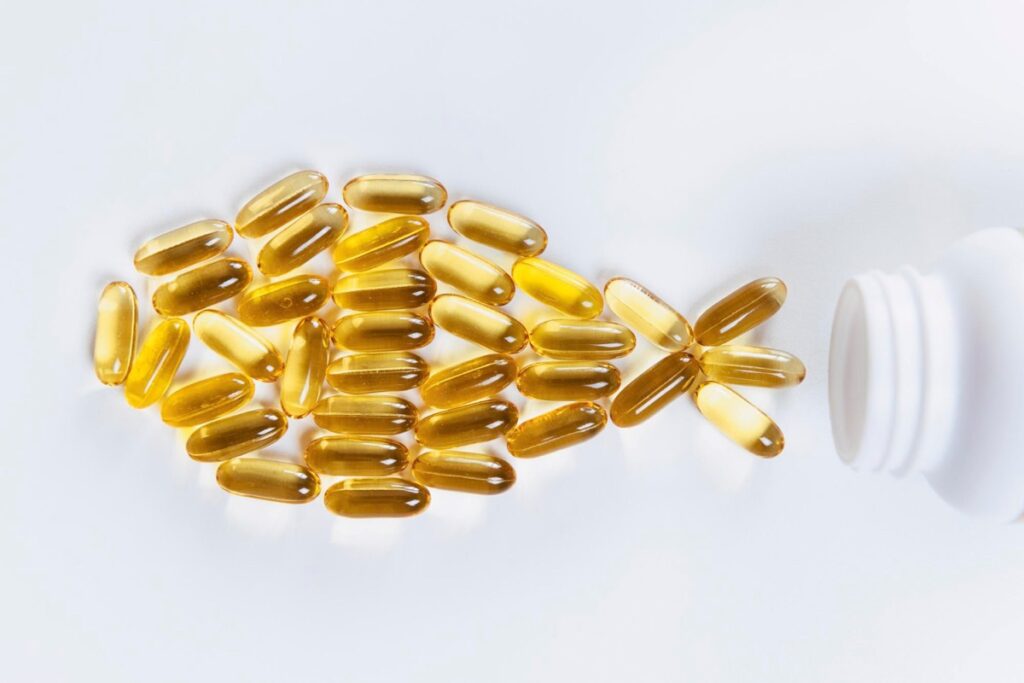
When adopting an intermittent fasting lifestyle, optimizing your morning routine becomes paramount. For many, this routine includes taking daily supplements to support overall health. Fish oil, rich in essential Omega-3 fatty acids, is one of the most widely consumed supplements on the planet, praised for its heart and brain benefits.
But a critical question arises for fasters: Does taking a fish oil capsule in the morning break your fast? Unlike water-soluble vitamins (like Vitamin C or B-complex), fish oil is, quite literally, pure fat. To determine if it ruins your fasting window, we need to look at how pure fat interacts with insulin, autophagy, and the digestive system.
Expert Take (Aly Owen): “Technically, fish oil breaks a ‘clean fast’ because it contains calories and requires bile to digest. However, if your only goal is weight loss and keeping insulin low, a single capsule won’t derail your progress. But for maximum comfort, it is always best taken with food.”
The Nutritional Profile of Fish Oil
A standard 1,000mg fish oil softgel contains approximately:
- Calories: 10
- Fat: 1 gram (primarily EPA and DHA omega-3 fatty acids)
- Protein: 0 grams (though the gelatin capsule shell contains a negligible trace)
- Carbohydrates: 0 grams
Because it is almost entirely fat, it does not provoke a significant insulin response. The body can process pure dietary fat without needing an insulin spike to shuttle glucose into cells. Therefore, from a strict blood-sugar perspective, fish oil keeps you in a state of lipolysis (fat burning).
⏱️ Track Your Fasting Hacks
Consistency is key when testing how supplements affect your fast. Download our Simple Intermittent Fasting Tracker app on iOS to log your fasting hours and monitor how your body feels.
The 3 Reasons to Avoid Fish Oil While Fasting
Even though it keeps insulin low, most fasting experts strongly advise against taking fish oil during your fasting window. Here is why:
1. It Halts Autophagy
Autophagy (cellular repair) is the deepest benefit of fasting. It is an energy-intensive process that only occurs when the body is completely deprived of incoming calories. The 10 calories from a fish oil capsule, while small, still provide a source of exogenous (external) energy to the liver, which temporarily pauses the autophagic process.
2. It Triggers Digestion
Unlike water or black coffee, which pass through the stomach quickly, fats require the gallbladder to release bile to be digested and absorbed. Taking fish oil forces your digestive system to “wake up” and go to work, effectively ending the digestive rest that is central to intermittent fasting.
3. Gastrointestinal Distress (Fish Burps)
This is the most practical reason. Taking fish oil on a completely empty stomach is notorious for causing nausea, acid reflux, and the dreaded “fish burps.” Without other food to slow down digestion and absorb the oil, it hits the stomach lining directly, which can be highly irritating.
When is the Best Time to Take Fish Oil?
To get the maximum benefit from your Omega-3 supplements without compromising your fast or upsetting your stomach, you must change your timing.
Take it during your eating window. Specifically, take your fish oil alongside the largest meal of your day, ideally one that contains other healthy fats (like avocados, olive oil, or fatty meats). Because Omega-3s are fat-soluble vitamins, they require other dietary fats to be absorbed efficiently by the body. Taking them with a meal ensures maximum absorption and completely eliminates the risk of nausea or fish burps.
Key Takeaways for Fasting and Supplements
- Fat-Soluble vs. Water-Soluble: Vitamins A, D, E, K, and Fish Oil are fat-soluble. They should always be taken during the eating window with a meal.
- Water-Soluble Vitamins: Vitamin C and B-complex vitamins can technically be taken during a fast with water, but they can still cause nausea on an empty stomach.
- Gummy Vitamins: Never take gummy vitamins during a fast. They are packed with sugar and will cause an immediate insulin spike.
Optimize Your Health Routine
Timing your supplements correctly can drastically improve your results. Get personalized fasting schedules, track your progress, and stay motivated with the Simple Fasting App.
Frequently Asked Questions
Will a single fish oil pill stop my weight loss?
No. If you accidentally take a 10-calorie fish oil pill during your fast, it will not mathematically ruin a caloric deficit or cause you to gain weight. But it is still sub-optimal for absorption.
Can I take electrolytes (sodium/magnesium) while fasting?
Yes! In fact, you must take them during extended fasts. Unflavored electrolytes contain zero calories and zero macronutrients. They do not require digestion and will not break your fast.
Does krill oil break a fast the same way fish oil does?
Yes. Krill oil, while having a slightly different fatty acid profile and containing the antioxidant astaxanthin, is still a concentrated fat source and behaves identically to fish oil in the digestive tract.

📚 Scientific Studies & Medical References (5 Sources) ▼
FastingTracker adheres to strict editorial standards, citing peer-reviewed clinical trials and authoritative medical institutions.
- New England Journal of Medicine (2019): de Cabo R, Mattson MP. Effects of Intermittent Fasting on Health, Aging, and Disease. N Engl J Med. 381(26):2541-2551. PubMed 31881139 • DOI
- Cell Metabolism (2014): Levine ME, Suarez JA, Brandhorst S, et al. Low Protein Intake and Periodic Fasting Promote Longevity and Autophagy. Cell Metab. 19(3):407-417. PubMed 24606898 • DOI
- Obesity (Silver Spring, 2018): Anton SD, Moehl K, Donahoo WT, et al. Flipping the Metabolic Switch: Understanding and Applying Health Benefits of Fasting. Obesity. 26(2):254-268. PubMed 29086496 • DOI
- Annual Review of Nutrition (2017): Patterson RE, Sears DD. Metabolic Effects of Intermittent Fasting. Annu Rev Nutr. 37:371-393. PubMed 28715993 • DOI
- Autophagy (2010): Alirezaei M, Kemball CC, Flynn CT, et al. Short-term fasting induces profound neuronal and systemic autophagy. Autophagy. 6(6):702-710. PubMed 20534972 • DOI

Join over 50,000+ people using Fasting Tracker to time eating windows, calculate ketosis stages, and hit your target weight.
Find Your Ideal Fasting Protocol
Answer 3 quick questions to calculate the safest and most effective intermittent fasting schedule for your body.