

The Obesity Code by Dr. Jason Fung: Comprehensive Book Summary & Key Takeaways
✨ Key Takeaways
- Learn the best practices of intermittent fasting for optimal health.
- Understand how to track your fasting windows effectively.
- Discover the science-backed metabolic benefits of fasting.
In This Article
- Decoding The Obesity Code: Why Traditional Diets Fail
- The Hormonal Theory of Obesity
- 📉 Lower Your Insulin Automatically
- Why Calorie Restriction Fails
- The Solution: Intermittent Fasting
- Key Takeaways for Daily Life
- Ready to Apply The Obesity Code?
- Frequently Asked Questions
- Does It Break Your Fast? Interactive Drink Checker
- 📖 Related Fasting Guides & Research

Decoding The Obesity Code: Why Traditional Diets Fail
For decades, the weight loss industry has preached a simple, mathematical mantra: eat less, move more. We have been taught that obesity is simply a caloric imbalance. Yet, despite millions following this advice, obesity rates have continued to climb. In his groundbreaking book, The Obesity Code: Unlocking the Secrets of Weight Loss, Dr. Jason Fung shatters this paradigm.
Dr. Fung, a Canadian nephrologist who specializes in treating type 2 diabetes, argues that the “calories in, calories out” (CICO) model is fundamentally flawed. Instead, he presents a compelling, science-backed case that obesity is a hormonal disorder—specifically, a disorder of excessive insulin. This summary explores the core concepts of the book and how intermittent fasting serves as the ultimate cure.
Expert Take (Aly Owen): “The Obesity Code was a turning point in nutritional science. By shifting the focus from ‘how much’ we eat to ‘when’ we eat, Dr. Fung gave people permission to stop starving themselves and start healing their hormones. It is the definitive defense of intermittent fasting.”
The Hormonal Theory of Obesity
The central thesis of The Obesity Code is that insulin is a fat-storing hormone. When we eat, insulin levels rise to help move glucose out of the blood and into our cells for energy. Any excess glucose is stored as fat. As long as insulin levels are high, the body is in “storage mode” and cannot access stored fat for fuel.
Dr. Fung explains that modern diets, characterized by frequent snacking and highly refined carbohydrates, keep our insulin levels chronically elevated. Over time, the body becomes resistant to insulin, requiring even more insulin to do the same job. This vicious cycle of hyperinsulinemia (high insulin) is the true root cause of obesity.
📉 Lower Your Insulin Automatically
Tracking your fasting window is the best way to ensure your insulin levels drop low enough to burn fat. Download our Simple Intermittent Fasting Tracker app on iOS to see exactly when your body shifts from sugar-burning to fat-burning mode.
Why Calorie Restriction Fails
If obesity is a hormonal issue, why doesn’t calorie restriction work long-term? Dr. Fung explains that our bodies are not simple thermodynamic machines; they are complex biological systems equipped with a “thermostat” for body weight, known as the body set weight.
When you restrict calories, your body initially loses weight. However, your metabolism soon compensates by slowing down to match the reduced caloric intake. You feel cold, tired, and ravenously hungry. Eventually, your willpower breaks, you return to eating normally, and because your metabolism is now slower, you regain the weight (and often more). Calorie restriction fails because it does not address the underlying hormonal issue: high insulin.
The Solution: Intermittent Fasting
If high insulin causes obesity, the solution is to lower insulin. While reducing refined carbohydrates and sugars helps, Dr. Fung argues that the most potent way to lower insulin is through intermittent fasting.
Fasting is not starvation; it is the controlled, voluntary abstinence from food. When you fast, insulin levels drop dramatically. This signals the body to switch from storing energy to burning stored energy (fat). According to Dr. Fung, intermittent fasting effectively breaks the cycle of insulin resistance and helps reset the body’s set weight.
Key Takeaways for Daily Life
- Stop Snacking: Eating 6 times a day keeps insulin constantly elevated. Stick to 2 or 3 distinct meals without snacks in between.
- Reduce Refined Carbs and Sugar: These foods cause the highest spikes in insulin. Focus on whole foods, healthy fats, and adequate protein.
- Incorporate Fasting: Whether it’s a daily 16:8 schedule (fasting for 16 hours) or occasional 24-hour fasts, giving your digestive system a break is crucial for hormonal balance.
- Manage Stress and Sleep: Cortisol (the stress hormone) also raises insulin. Adequate sleep and stress management are vital components of weight loss.
Ready to Apply The Obesity Code?
Take the guesswork out of fasting and start lowering your insulin today. Get personalized protocols, weight tracking, and daily motivation with the Simple Fasting App.
Frequently Asked Questions
Is The Obesity Code against eating carbohydrates?
No, Dr. Fung differentiates between refined, processed carbohydrates (like white bread and sugar), which highly stimulate insulin, and complex, unrefined carbohydrates (like beans and vegetables), which are part of a healthy diet.
Does Dr. Fung recommend a specific fasting schedule?
He advocates for flexibility. While he often discusses 16:8, 24-hour, and alternate-day fasting, he emphasizes that the best fasting protocol is the one that fits your lifestyle and helps you maintain low insulin levels.
How can I track my fasting windows like the book suggests?
Using a dedicated tool makes it much easier to stay consistent. Our Simple Intermittent Fasting Tracker app allows you to log your fasts and monitor your progress exactly as outlined in the principles of the book.

Does It Break Your Fast? Interactive Drink Checker
Search or filter any drink to verify its impact on insulin, ketosis, and cellular autophagy in real-time.
Pure black coffee does not break a fast. Its high chlorogenic acid content actually accelerates cellular autophagy and fat oxidation.
Unsweetened green tea contains potent EGCG catechins that stimulate AMPK and enhance fat breakdown while keeping insulin completely flat.
Pure water is the gold standard for fasting. It assists liver kidney clearance without causing any metabolic disruption.
Squeezing a wedge of lemon adds trace vitamin C and potassium. With fewer than 3 calories, it will not trigger an insulin spike or break fasting.
1-2 tablespoons diluted in water helps stabilize gastric emptying, suppresses appetite, and has zero negative effect on fasting.
Zero caloric value keeps ketosis intact, but artificial sweeteners (sucralose, acesulfame K) may trigger sweet cravings or cephalic phase insulin release.
Excellent for "dirty fasting" or multi-day electrolyte preservation. However, its amino acid content (glycine, proline) pauses mTOR autophagy.
Pure fat keeps you in ketosis, but the incoming calories prevent cellular autophagy and cause the body to burn dietary fat before body fat.
Lactose is a dairy sugar that immediately raises blood glucose and insulin, stopping lipolysis and breaking your fast within minutes.
High fructose concentration floods the liver, triggers rapid insulin release, and instantly terminates both ketosis and autophagy.
Although rich in potassium, natural coconut water contains 9-11 grams of natural carbohydrates per cup, which breaks your fasting window.
The liver halts all fat oxidation and ketone synthesis to prioritize metabolizing toxic alcohol byproducts, severely stressing your metabolism.
Track daily hydration, fasting windows, and get notified when entering peak autophagy with FastingTracker.
📖 Related Fasting Guides & Research


📚 Scientific Studies & Medical References (5 Sources) ▼
FastingTracker adheres to strict editorial standards, citing peer-reviewed clinical trials and authoritative medical institutions.
- New England Journal of Medicine (2019): de Cabo R, Mattson MP. Effects of Intermittent Fasting on Health, Aging, and Disease. N Engl J Med. 381(26):2541-2551. PubMed 31881139 • DOI
- Cell Metabolism (2014): Levine ME, Suarez JA, Brandhorst S, et al. Low Protein Intake and Periodic Fasting Promote Longevity and Autophagy. Cell Metab. 19(3):407-417. PubMed 24606898 • DOI
- Obesity (Silver Spring, 2018): Anton SD, Moehl K, Donahoo WT, et al. Flipping the Metabolic Switch: Understanding and Applying Health Benefits of Fasting. Obesity. 26(2):254-268. PubMed 29086496 • DOI
- Annual Review of Nutrition (2017): Patterson RE, Sears DD. Metabolic Effects of Intermittent Fasting. Annu Rev Nutr. 37:371-393. PubMed 28715993 • DOI
- Autophagy (2010): Alirezaei M, Kemball CC, Flynn CT, et al. Short-term fasting induces profound neuronal and systemic autophagy. Autophagy. 6(6):702-710. PubMed 20534972 • DOI

Join over 50,000+ people using Fasting Tracker on Android and iOS to time eating windows, calculate ketosis stages, and hit your target weight.
Find Your Ideal Fasting Protocol
Answer 3 quick questions to calculate the safest and most effective intermittent fasting schedule for your body.
Enter your current weight and target weight to get an exact predicted date for reaching your goal using intermittent fasting.
Personal Fasting Protocol Finder
Answer 3 quick questions to calculate your optimal, science-backed fasting and eating windows.
1. What is your primary health goal?
2. What is your fasting experience?
3. What matches your daily lifestyle?
16:8 Lean Protocol
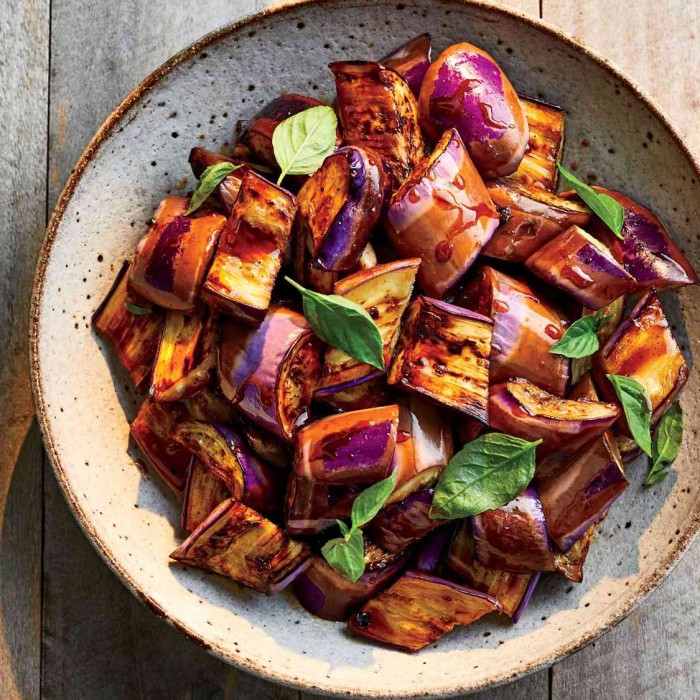
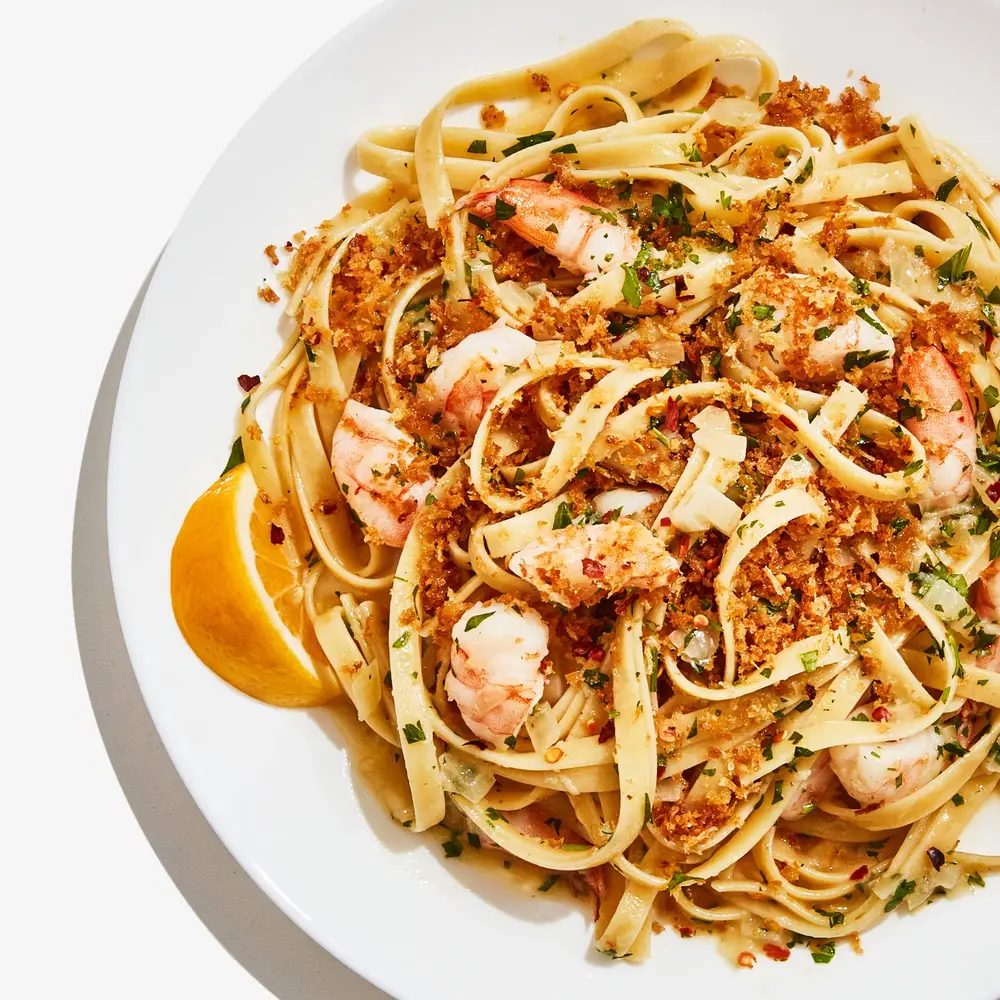
🥗 Best Meals to Break Your Fast
Gentle, nutrient-dense dishes designed to avoid insulin spikes and digestive discomfort when exiting your fast.

📚 You Might Also Like