


Few experiences are more frustrating than fasting diligently for 16 or 20 hours only to feel like an overinflated balloon within 30 minutes of eating your first meal. Post-fast bloating, abdominal cramps, and gastrointestinal distension are extremely common, but they are not inevitable. They stem from a simple physiological reality: after an extended digestive rest, gastric acid output, pancreatic protease secretion, and bile production are down-regulated. Overwhelming a dormant gut with large portions or high-FODMAP foods triggers rapid fermentation and gas accumulation.
Key Bloating Takeaways
- Enzymatic Dormancy: After 16+ hours of fasting, hydrochloric acid (HCl) and pancreatic digestive enzymes drop to resting levels.
- The “Too Fast, Too Much” Trap: Consuming 1,200 calories in 10 minutes overwhelms digestive capacity, allowing undigested carbohydrates to enter the colon where bacteria ferment them into hydrogen and methane gas.
- The 2-Phase Refeed Rule: Break your fast with a small, gentle 150-calorie primer (bone broth, soft eggs, cooked zucchini) 20 minutes before your main meal.
Why Your Stomach Bloats When You Break a Fast
When food is absent from the GI tract, your digestive organs enter a state of energy conservation. Hydrochloric acid in the stomach remains at low basal rates, and the gallbladder stores concentrated bile without releasing it into the duodenum.
If you break your fast with a massive meal containing raw cruciferous vegetables (raw broccoli, kale), dairy, and dense fibrous proteins, your stomach cannot break the food down thoroughly. Undigested food boluses transit rapidly into the ileum and colon, where colonic bacteria rapidly ferment them, producing up to 1.5 liters of gas within an hour.
Master the Perfect Fast-Breaking Window
Avoid post-fast bloating and stomach cramps. Use the Fasting Tracker app to set reminders for your 20-minute refeed primer and track which meals give you optimal digestion.
The 2-Phase Gentle Refeed Protocol
To eliminate post-fast bloating permanently, divide your first meal into two distinct phases:
| Phase | Timing | Ideal Foods | Foods to Avoid |
|---|---|---|---|
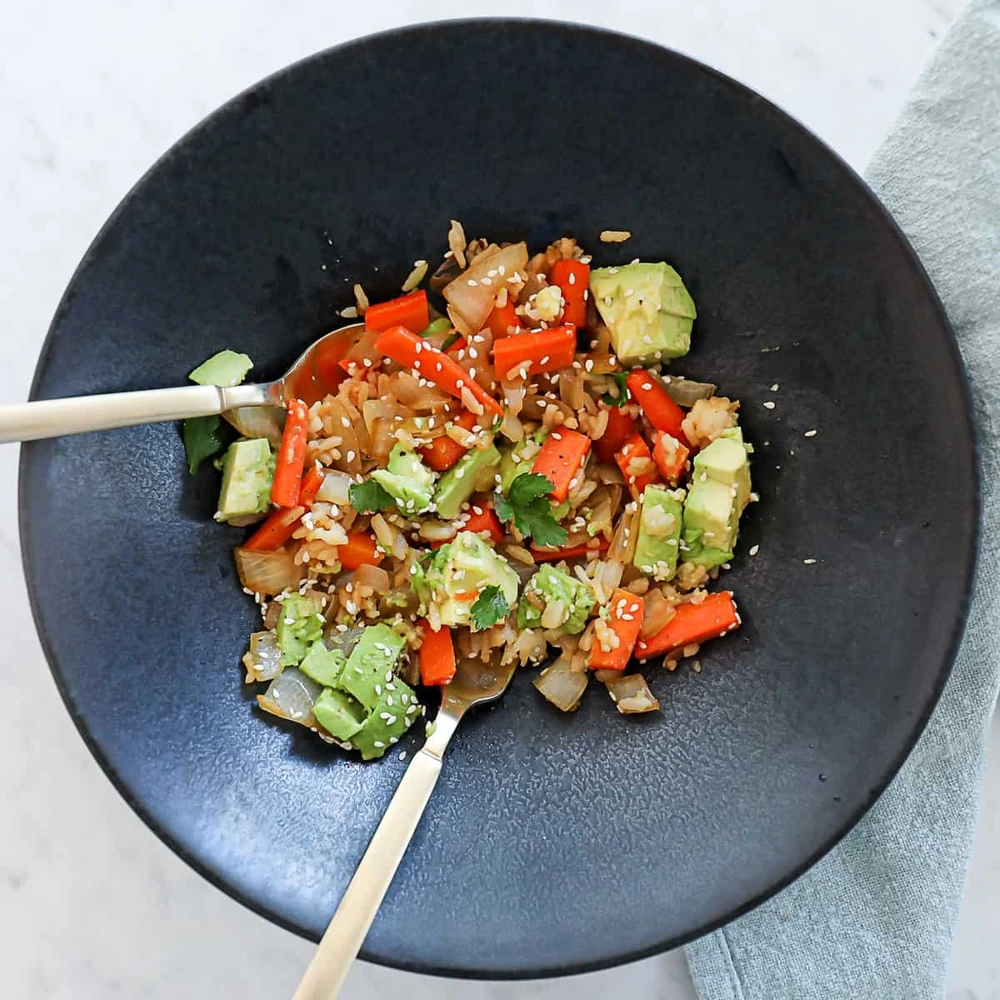
| Phase 1: The Primer (150 kcal) | T-minus 20 minutes before main meal | 1 cup warm bone broth, 2 soft-boiled eggs, or 1/2 avocado with lemon | Raw nuts, raw cruciferous vegetables, icy protein shakes, beans |
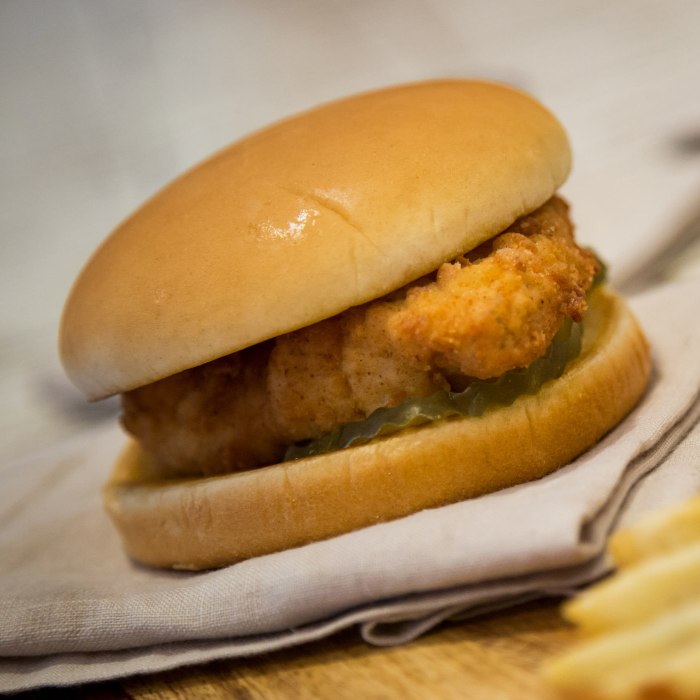
| Phase 2: The Main Meal | 20–30 minutes after primer | Grilled chicken breast, wild salmon, steamed greens, roasted sweet potato, white rice | Greasy fried foods, large raw salads, high-lactose dairy, carbonated sodas |
Frequently Asked Questions
Why does water bloat my stomach when I break my fast?
Chugging large quantities of cold water during your meal dilutes gastric hydrochloric acid, raising stomach pH and slowing protein breakdown. Sip room-temperature water in moderation, and drink your main fluids 30 minutes before or after meals.
Can apple cider vinegar help prevent bloating?
Yes. Taking 1 tablespoon of raw apple cider vinegar in 4 ounces of warm water 10 minutes before breaking your fast helps lower gastric pH, stimulating pepsin activation and improving protein digestion.
Medical Disclaimer: Persistent, severe bloating accompanied by sharp abdominal pain or unintended weight loss should be evaluated by a gastroenterologist to rule out SIBO, celiac disease, or gallstones.