


Fat Fasting: What It Is, How It Works & 3-Day Protocol (2026)
✨ Key Takeaways
- Learn the best practices of intermittent fasting for optimal health.
- Understand how to track your fasting windows effectively.
- Discover the science-backed metabolic benefits of fasting.
In This Article
When fat loss stalls despite intermittent fasting and keto, a strategic 2-to-3 day fat fast is the ultimate plateau-buster to kickstart lipolysis without hunger pangs.
⚡ Quick Facts & AI Summary
What is a Fat Fast and How Does It Work?
Introduced originally in clinical obesity literature and popularized by Dr. Atkins, a fat fast restricts daily caloric intake to 1,000–1,200 calories, with 85% to 90% of those calories coming exclusively from fat. Because pure dietary fat triggers virtually zero insulin release, the body behaves as if it is completely fasted while receiving satiety-inducing fatty acids.
Best Allowed Foods on a Fat Fast
- Macadamia nuts and raw pecans.
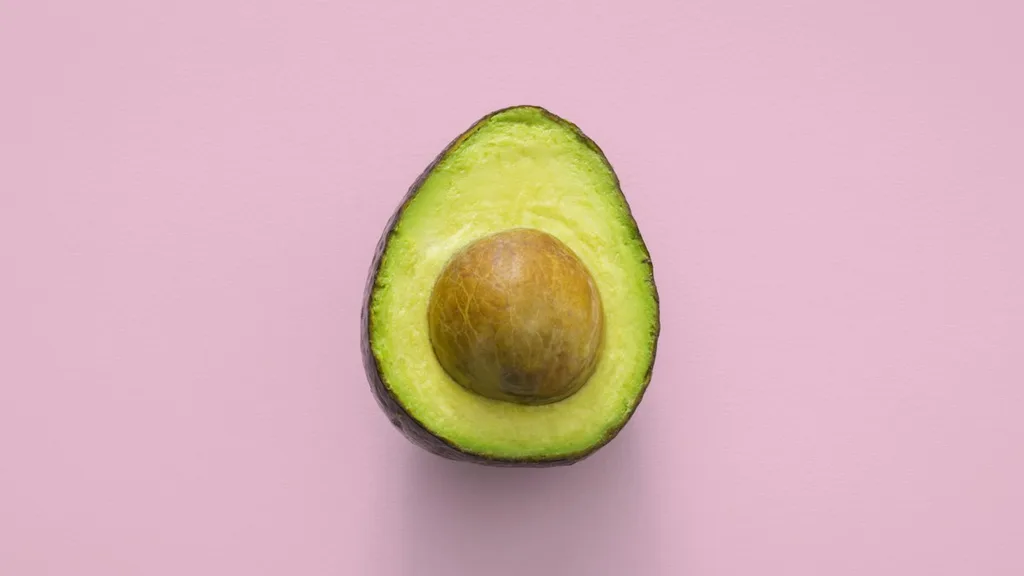
- Avocados and extra virgin olive oil.
- MCT oil, coconut butter, and grass-fed ghee.
- Cream cheese, mascarpone, and organic heavy cream.
- Egg yolks and pasture-raised egg salad with avocado oil mayo.
Frequently Asked Questions About Fat Fasting
How long can I stay on a fat fast?
Never exceed 3 to 5 consecutive days. Fat fasting lacks adequate protein and essential micronutrients for long-term health.
Will a fat fast trigger cellular autophagy?
No, because calories are present, true cellular autophagy is largely blunted. Fat fasting is strictly a tool for weight loss plateaus and ketosis induction.
How do I transition off a fat fast?
Transition back to standard 16:8 fasting with lean proteins and fibrous green vegetables on day 4.

📚 Scientific Studies & Medical References (5 Sources) ▼
FastingTracker adheres to strict editorial standards, citing peer-reviewed clinical trials and authoritative medical institutions.
- New England Journal of Medicine (2019): de Cabo R, Mattson MP. Effects of Intermittent Fasting on Health, Aging, and Disease. N Engl J Med. 381(26):2541-2551. PubMed 31881139 • DOI
- Cell Metabolism (2014): Levine ME, Suarez JA, Brandhorst S, et al. Low Protein Intake and Periodic Fasting Promote Longevity and Autophagy. Cell Metab. 19(3):407-417. PubMed 24606898 • DOI
- Obesity (Silver Spring, 2018): Anton SD, Moehl K, Donahoo WT, et al. Flipping the Metabolic Switch: Understanding and Applying Health Benefits of Fasting. Obesity. 26(2):254-268. PubMed 29086496 • DOI
- Annual Review of Nutrition (2017): Patterson RE, Sears DD. Metabolic Effects of Intermittent Fasting. Annu Rev Nutr. 37:371-393. PubMed 28715993 • DOI
- Autophagy (2010): Alirezaei M, Kemball CC, Flynn CT, et al. Short-term fasting induces profound neuronal and systemic autophagy. Autophagy. 6(6):702-710. PubMed 20534972 • DOI

Join over 50,000+ people using Fasting Tracker on Android and iOS to time eating windows, calculate ketosis stages, and hit your target weight.
Find Your Ideal Fasting Protocol
Answer 3 quick questions to calculate the safest and most effective intermittent fasting schedule for your body.
🥗 Best Meals to Break Your Fast
Gentle, nutrient-dense dishes designed to avoid insulin spikes and digestive discomfort when exiting your fast.