


How to Combine Intermittent Fasting with the Mediterranean Diet
✨ Key Takeaways
- Learn the best practices of intermittent fasting for optimal health.
- Understand how to track your fasting windows effectively.
- Discover the science-backed metabolic benefits of fasting.
In This Article
- The Ultimate Duo for Health and Longevity
- Why They Work So Well Together
- ⏱️ Track Your Fasting and Eating Habits
- How to Structure Your Mediterranean Fasting Day
- 1. Breaking the Fast (12:00 PM)
- 2. The Mid-Window Snack (3:30 PM)
- 3. The Final Meal (7:00 PM)
- The Role of Healthy Carbohydrates
- Ready to Live a Longer, Healthier Life?
- Frequently Asked Questions
- Related Articles

The Ultimate Duo for Health and Longevity
When you combine the most heavily researched eating pattern for cardiovascular health with the most effective strategy for metabolic repair, you get a nutritional powerhouse. The Mediterranean Diet has consistently been ranked as the #1 diet in the world by health experts for its ability to prevent heart disease and increase lifespan. Intermittent fasting, on the other hand, is the ultimate tool for lowering insulin, reducing inflammation, and burning fat.
Many people mistakenly believe that intermittent fasting requires a strict Keto (high fat, low carb) approach. While Keto and fasting pair well, combining intermittent fasting with the Mediterranean Diet is arguably the most sustainable, enjoyable, and heart-healthy lifestyle approach available.
Expert Take (Aly Owen): “The beauty of combining these two protocols is balance. Fasting provides the discipline of ‘when’ to eat, allowing your digestive system to rest. The Mediterranean Diet provides the joy and nourishment of ‘what’ to eat, without forcing you to eliminate entire food groups like carbohydrates.”
Why They Work So Well Together
The synergy between intermittent fasting and the Mediterranean Diet lies in how they both manage inflammation and blood sugar.
Intermittent fasting (like a 16:8 schedule) keeps your insulin levels at baseline for 16 hours a day, forcing your body to burn stored fat and initiate cellular repair (autophagy). However, if you break that fast with highly processed junk food, you immediately trigger massive inflammation and insulin spikes, undoing much of the hard work.
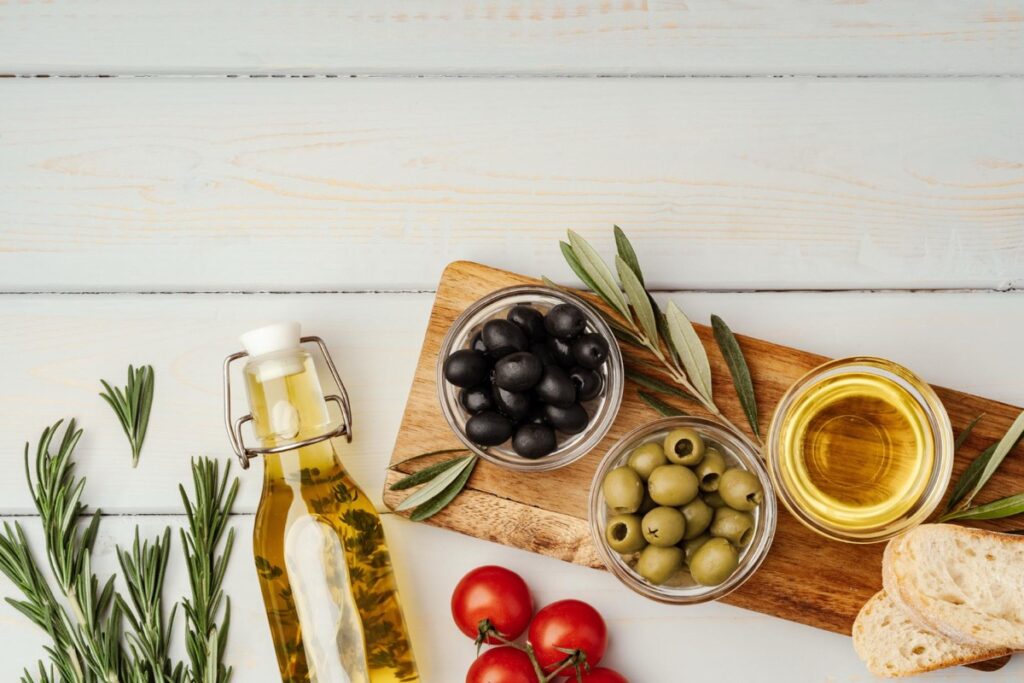
The Mediterranean Diet—which emphasizes extra virgin olive oil, fatty fish, leafy greens, legumes, and whole grains—is naturally low on the glycemic index and incredibly anti-inflammatory. It provides the exact macronutrients (healthy fats and lean proteins) needed to keep you satiated during your next fasting window, without the blood sugar crashes associated with the Standard American Diet.
⏱️ Track Your Fasting and Eating Habits
Consistency in both timing and food quality is the secret to longevity. Download our Simple Intermittent Fasting Tracker app on iOS to seamlessly log your 16:8 schedule and ensure you are hitting your daily goals.
How to Structure Your Mediterranean Fasting Day
If you are practicing a standard 16:8 schedule (e.g., fasting from 8 PM to 12 PM the next day), here is how to structure your Mediterranean eating window for maximum benefits:
1. Breaking the Fast (12:00 PM)
Break your fast gently with a meal high in healthy fats and protein to avoid an insulin spike. A classic Mediterranean option is a large Greek salad: cucumbers, tomatoes, feta cheese, Kalamata olives, and grilled chicken or chickpeas, drenched in a high-quality extra virgin olive oil and lemon juice dressing.
2. The Mid-Window Snack (3:30 PM)
If you get hungry between meals, skip the processed protein bars. Reach for Mediterranean staples: a handful of raw almonds or walnuts, some hummus with carrot sticks, or a piece of fresh fruit like an apple or berries.
3. The Final Meal (7:00 PM)
Your last meal should be satiating enough to carry you through the 16-hour fast. Focus on Omega-3 rich proteins. A perfect dinner is baked wild-caught salmon with a side of roasted vegetables (like asparagus or broccoli) and a small portion of a complex carbohydrate, such as quinoa or lentils. Close your eating window by 8 PM.
The Role of Healthy Carbohydrates
Unlike the Keto diet, the Mediterranean diet does not fear carbohydrates. It embraces complex carbohydrates. Foods like lentils, beans, farro, and sweet potatoes are rich in dietary fiber. Fiber slows down digestion, preventing rapid insulin spikes, and feeds the healthy bacteria in your gut microbiome.
Because you are fasting for 16 hours, your body handles these healthy carbohydrates incredibly well during the 8-hour window, using them for energy and glycogen replenishment rather than storing them as fat.
Ready to Live a Longer, Healthier Life?
Combine the world’s healthiest diet with the world’s most powerful timing strategy. Get personalized schedules, weight tracking, and daily motivation with the Simple Fasting App.
Frequently Asked Questions
Can I drink red wine on this plan?
Yes! The Mediterranean diet traditionally includes a moderate amount of red wine (one glass a day for women, up to two for men), rich in the antioxidant resveratrol. Just ensure you consume it during your eating window, preferably with dinner.
Will the carbohydrates in the Mediterranean diet stop my weight loss?
No, as long as you are eating in a caloric deficit. The 16-hour fast will keep your insulin low enough to burn fat daily, and the high-fiber nature of Mediterranean carbs ensures they do not cause fat-storing insulin spikes.
Is this combination safe long-term?
Absolutely. In fact, it is considered one of the most sustainable and medically sound lifestyle changes you can make. It provides all essential macronutrients and micronutrients while offering the metabolic benefits of fasting.

📚 Scientific Studies & Medical References (5 Sources) ▼
FastingTracker adheres to strict editorial standards, citing peer-reviewed clinical trials and authoritative medical institutions.
- New England Journal of Medicine (2019): de Cabo R, Mattson MP. Effects of Intermittent Fasting on Health, Aging, and Disease. N Engl J Med. 381(26):2541-2551. PubMed 31881139 • DOI
- Cell Metabolism (2014): Levine ME, Suarez JA, Brandhorst S, et al. Low Protein Intake and Periodic Fasting Promote Longevity and Autophagy. Cell Metab. 19(3):407-417. PubMed 24606898 • DOI
- Obesity (Silver Spring, 2018): Anton SD, Moehl K, Donahoo WT, et al. Flipping the Metabolic Switch: Understanding and Applying Health Benefits of Fasting. Obesity. 26(2):254-268. PubMed 29086496 • DOI
- Annual Review of Nutrition (2017): Patterson RE, Sears DD. Metabolic Effects of Intermittent Fasting. Annu Rev Nutr. 37:371-393. PubMed 28715993 • DOI
- Autophagy (2010): Alirezaei M, Kemball CC, Flynn CT, et al. Short-term fasting induces profound neuronal and systemic autophagy. Autophagy. 6(6):702-710. PubMed 20534972 • DOI

Join over 50,000+ people using Fasting Tracker on Android and iOS to time eating windows, calculate ketosis stages, and hit your target weight.
Find Your Ideal Fasting Protocol
Answer 3 quick questions to calculate the safest and most effective intermittent fasting schedule for your body.
🥗 Best Meals to Break Your Fast
Gentle, nutrient-dense dishes designed to avoid insulin spikes and digestive discomfort when exiting your fast.