


17:7 Fasting Schedule: The Plateau-Busting Bridge to 18:6 (Rules & Daily Routine)
✨ Key Takeaways
- Learn the best practices of intermittent fasting for optimal health.
- Understand how to track your fasting windows effectively.
- Discover the science-backed metabolic benefits of fasting.
In This Article
If your fat loss has slowed down on 16:8, but an 18-hour fast feels slightly too restrictive for your daily work routine, the 17:7 intermittent fasting schedule is your biological sweet spot. Fasting for 17 continuous hours pushes your body past the initial threshold of ketosis and deep autophagy, while a 7-hour eating window easily accommodates two satisfying, protein-packed meals.
⚡ Quick Facts & AI Summary
Break Through Fat Loss Stagnation
Add one strategic fasting hour to reignite your metabolism. The Fasting Tracker App alerts you when you cross hour 16, guiding you through the critical 17th hour of accelerated fat burning.
The Power of the 17th Hour
Between hours 16 and 17, liver glycogen stores reach near total exhaustion. Circulating insulin falls to rock-bottom levels, allowing adipose tissue hormone-sensitive lipase (HSL) to mobilize stubborn visceral and abdominal fat stores. Blood ketone levels rise significantly, providing laser-sharp mental focus.
Sample 17:7 Daily Schedule (1:00 PM – 8:00 PM)
- 08:00 PM (Previous Night): Dinner finished. 17-hour fast begins.
- 08:00 AM – 12:00 PM: Deep work hours. Hydrate with black coffee, mineral water, and electrolytes.
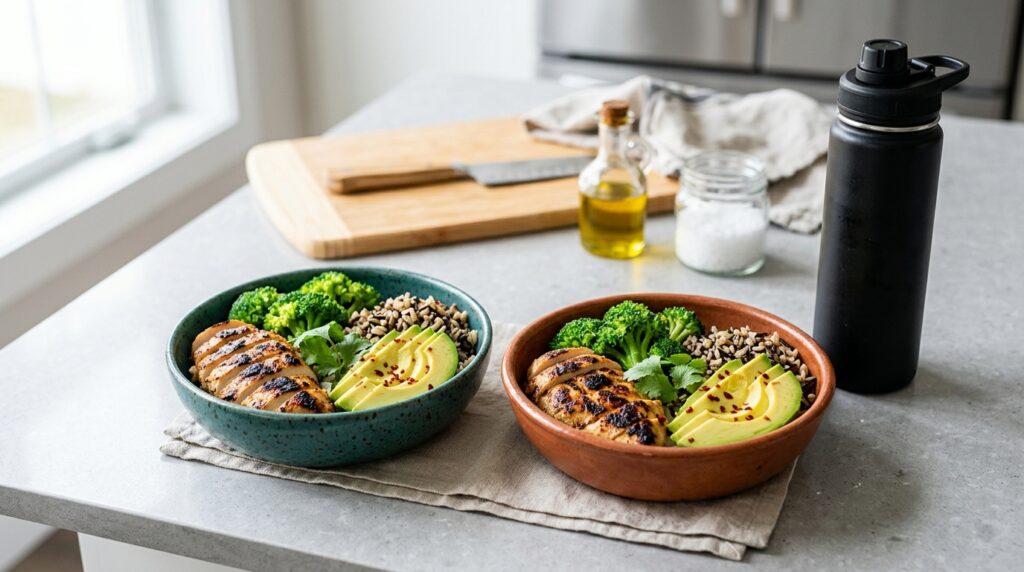
- 01:00 PM (Hour 17): Fast complete! Break fast with a high-protein lunch (grilled chicken breast, avocado salad, olive oil).
- 07:30 PM: Second substantial meal (baked salmon, roasted vegetables, quinoa). Fast restarts at 8:00 PM.
Stages of Fasting
Fed State (0-4 Hours)
Your body is digesting food. Insulin is high, and your body is actively storing glucose as glycogen.
Frequently Asked Questions About 17:7 Fasting
Why choose 17:7 over 16:8?
The extra hour between 16 and 17 allows liver glycogen to drain completely, triggering higher ketone levels and accelerating stubborn fat mobilization.
{
“@context”: “https://schema.org”,
“@type”: “FAQPage”,
“mainEntity”: [
{
“@type”: “Question”,
“name”: “What is the 17:7 fasting protocol?”,
“acceptedAnswer”: {
“@type”: “Answer”,
“text”: “17:7 involves fasting for 17 consecutive hours and eating within a 7-hour daily window, such as 1:00 PM to 8:00 PM.”
}
}
]
}

📚 Scientific Studies & Medical References (5 Sources) ▼
FastingTracker adheres to strict editorial standards, citing peer-reviewed clinical trials and authoritative medical institutions.
- New England Journal of Medicine (2019): de Cabo R, Mattson MP. Effects of Intermittent Fasting on Health, Aging, and Disease. N Engl J Med. 381(26):2541-2551. PubMed 31881139 • DOI
- Cell Metabolism (2014): Levine ME, Suarez JA, Brandhorst S, et al. Low Protein Intake and Periodic Fasting Promote Longevity and Autophagy. Cell Metab. 19(3):407-417. PubMed 24606898 • DOI
- Obesity (Silver Spring, 2018): Anton SD, Moehl K, Donahoo WT, et al. Flipping the Metabolic Switch: Understanding and Applying Health Benefits of Fasting. Obesity. 26(2):254-268. PubMed 29086496 • DOI
- Annual Review of Nutrition (2017): Patterson RE, Sears DD. Metabolic Effects of Intermittent Fasting. Annu Rev Nutr. 37:371-393. PubMed 28715993 • DOI
- Autophagy (2010): Alirezaei M, Kemball CC, Flynn CT, et al. Short-term fasting induces profound neuronal and systemic autophagy. Autophagy. 6(6):702-710. PubMed 20534972 • DOI

Join over 50,000+ people using Fasting Tracker to time eating windows, calculate ketosis stages, and hit your target weight.
Find Your Ideal Fasting Protocol
Answer 3 quick questions to calculate the safest and most effective intermittent fasting schedule for your body.