

Does Black Coffee Break a Fast? The Science Explained (2026)
✨ Key Takeaways
- Learn the best practices of intermittent fasting for optimal health.
- Understand how to track your fasting windows effectively.
- Discover the science-backed metabolic benefits of fasting.
In This Article
- The Biochemical Impact of Black Coffee on Fasting
- 1. Insulin and Blood Glucose
- 2. Autophagy and Coffee Polyphenols
- 3. Metabolic Rate and Fat Oxidation
- Coffee Additives: What Breaks a Fast vs What Is Safe?
- Tips for Drinking Coffee While Fasting
- Track Your Coffee & Fasting Windows
- Frequently Asked Questions
- Can I add cinnamon to my black coffee?
- Does decaf coffee break a fast?
- Medical References
- Does It Break Your Fast? Interactive Drink Checker
- 📖 Related Fasting Guides & Research
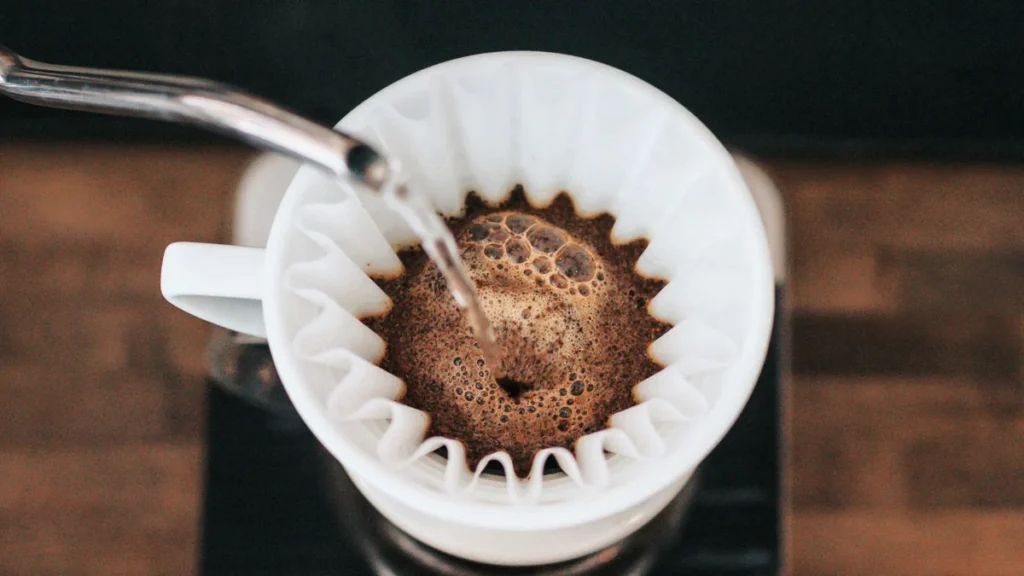
No, plain black coffee does not break a fast. A standard 8-ounce cup of black brewed coffee contains approximately 2 to 5 calories and zero grams of carbohydrates, protein, or fat. This negligible caloric load is insufficient to trigger an insulin spike, disrupt ketosis, or halt cellular autophagy, making black coffee 100% compliant with intermittent fasting.
⚡ Quick Verdict
- Black Coffee (No Additives): ✅ Safe — 0g sugar, does not break fast.
- Autophagy & Longevity: ✅ Enhanced — Polyphenols in coffee stimulate autophagy in liver and cardiac tissue.
- Coffee with Milk / Cream / Sugar: ❌ Breaks Fast — Causes insulin response.
- Appetite Suppression: ✅ Beneficial — Caffeine temporarily blunts ghrelin (the hunger hormone).
The Biochemical Impact of Black Coffee on Fasting
To understand why black coffee is permissible, we must examine how the body reacts to caffeine and chlorogenic acids during a fasting state:
1. Insulin and Blood Glucose
Breaking a fast is defined biochemically by a shift from lipolysis (fat breakdown) back to glycolysis (glucose metabolism) driven by an insulin surge. Pure black coffee contains virtually zero macronutrients. Clinical trials demonstrate that black coffee consumption produces no clinically significant increase in serum insulin concentrations.
2. Autophagy and Coffee Polyphenols
One of the most exciting discoveries in fasting biology is that coffee may actually accelerate autophagy. A landmark study published in Cell Cycle showed that both caffeinated and decaffeinated coffee stimulated systemic autophagy in the liver, muscle, and heart within 1 to 4 hours of consumption, driven by coffee polyphenols inhibiting mTOR.
3. Metabolic Rate and Fat Oxidation
Caffeine is a well-established thermogenic agent. Consuming black coffee during your fasting window stimulates the sympathetic nervous system, boosting resting energy expenditure by 3% to 11% and increasing the mobilization of free fatty acids from fat stores (American Journal of Clinical Nutrition).
Coffee Additives: What Breaks a Fast vs What Is Safe?
Tips for Drinking Coffee While Fasting
- Watch Your Stomach: Black coffee on an empty stomach can stimulate gastric acid secretion. If you experience acid reflux, switch to cold brew (which is significantly less acidic) or drink a glass of water first.
- Stay Hydrated: Coffee has a mild diuretic effect. Make sure to track your baseline water with our Water Intake Calculator.
- Respect the Caffeine Curfew: Avoid caffeinated coffee within 6–8 hours of bedtime to protect deep sleep and nighttime growth hormone secretion.
Track Your Coffee & Fasting Windows
Keep track of your fasting hours, log beverages, and see your exact fat-burning state in real-time with the FastingTracker app.
Download Fasting Tracker Free →Frequently Asked Questions
Can I add cinnamon to my black coffee?
Yes. A pinch of ground Ceylon cinnamon has negligible calories, does not spike insulin, and may even improve insulin sensitivity.
Does decaf coffee break a fast?
No. Decaf black coffee contains the same beneficial polyphenols and negligible calories as regular coffee, making it fully fasting-compliant.
Medical References
- Pietrocola F et al. (2014). Coffee induces autophagy in vivo. Cell Cycle, 13(12), 1987-1994.
- Dulloo AG et al. (1989). Normal caffeine consumption: influence on thermogenesis and daily energy expenditure. Am J Clin Nutr.

Does It Break Your Fast? Interactive Drink Checker
Search or filter any drink to verify its impact on insulin, ketosis, and cellular autophagy in real-time.
Pure black coffee does not break a fast. Its high chlorogenic acid content actually accelerates cellular autophagy and fat oxidation.
Unsweetened green tea contains potent EGCG catechins that stimulate AMPK and enhance fat breakdown while keeping insulin completely flat.
Pure water is the gold standard for fasting. It assists liver kidney clearance without causing any metabolic disruption.
Squeezing a wedge of lemon adds trace vitamin C and potassium. With fewer than 3 calories, it will not trigger an insulin spike or break fasting.
1-2 tablespoons diluted in water helps stabilize gastric emptying, suppresses appetite, and has zero negative effect on fasting.
Zero caloric value keeps ketosis intact, but artificial sweeteners (sucralose, acesulfame K) may trigger sweet cravings or cephalic phase insulin release.
Excellent for "dirty fasting" or multi-day electrolyte preservation. However, its amino acid content (glycine, proline) pauses mTOR autophagy.
Pure fat keeps you in ketosis, but the incoming calories prevent cellular autophagy and cause the body to burn dietary fat before body fat.
Lactose is a dairy sugar that immediately raises blood glucose and insulin, stopping lipolysis and breaking your fast within minutes.
High fructose concentration floods the liver, triggers rapid insulin release, and instantly terminates both ketosis and autophagy.
Although rich in potassium, natural coconut water contains 9-11 grams of natural carbohydrates per cup, which breaks your fasting window.
The liver halts all fat oxidation and ketone synthesis to prioritize metabolizing toxic alcohol byproducts, severely stressing your metabolism.
Track daily hydration, fasting windows, and get notified when entering peak autophagy with FastingTracker.
Interactive Autophagy & Cellular Renewal Tracker
Drag the slider to see what metabolic transformations occur inside your cells hour by hour.
...
📖 Related Fasting Guides & Research

📚 Scientific Studies & Medical References (5 Sources) ▼
FastingTracker adheres to strict editorial standards, citing peer-reviewed clinical trials and authoritative medical institutions.
- New England Journal of Medicine (2019): de Cabo R, Mattson MP. Effects of Intermittent Fasting on Health, Aging, and Disease. N Engl J Med. 381(26):2541-2551. PubMed 31881139 • DOI
- Cell Metabolism (2014): Levine ME, Suarez JA, Brandhorst S, et al. Low Protein Intake and Periodic Fasting Promote Longevity and Autophagy. Cell Metab. 19(3):407-417. PubMed 24606898 • DOI
- Obesity (Silver Spring, 2018): Anton SD, Moehl K, Donahoo WT, et al. Flipping the Metabolic Switch: Understanding and Applying Health Benefits of Fasting. Obesity. 26(2):254-268. PubMed 29086496 • DOI
- Annual Review of Nutrition (2017): Patterson RE, Sears DD. Metabolic Effects of Intermittent Fasting. Annu Rev Nutr. 37:371-393. PubMed 28715993 • DOI
- Autophagy (2010): Alirezaei M, Kemball CC, Flynn CT, et al. Short-term fasting induces profound neuronal and systemic autophagy. Autophagy. 6(6):702-710. PubMed 20534972 • DOI

Join over 50,000+ people using Fasting Tracker on Android and iOS to time eating windows, calculate ketosis stages, and hit your target weight.
Find Your Ideal Fasting Protocol
Answer 3 quick questions to calculate the safest and most effective intermittent fasting schedule for your body.
Generate a gentle 3-phase refeeding protocol to safely break any fast without digestive distress or insulin spikes.
Personal Fasting Protocol Finder
Answer 3 quick questions to calculate your optimal, science-backed fasting and eating windows.
1. What is your primary health goal?
2. What is your fasting experience?
3. What matches your daily lifestyle?
16:8 Lean Protocol
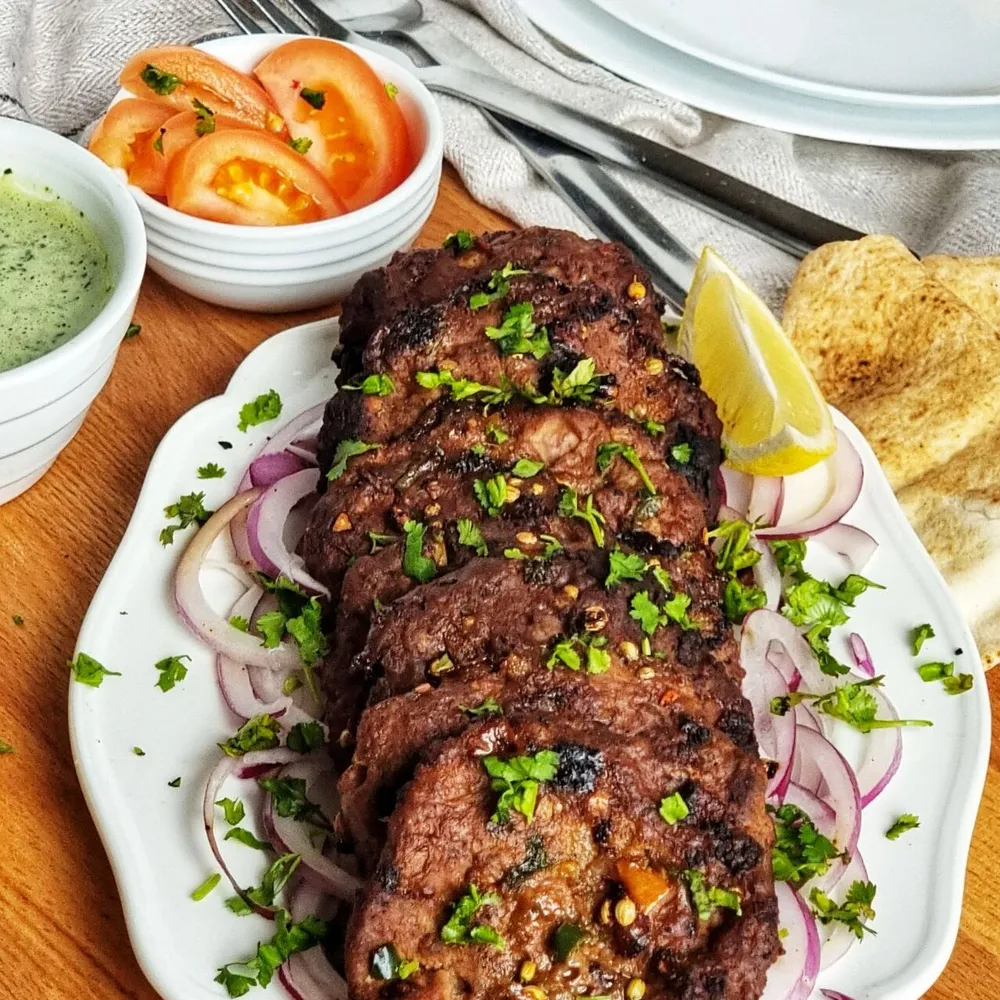
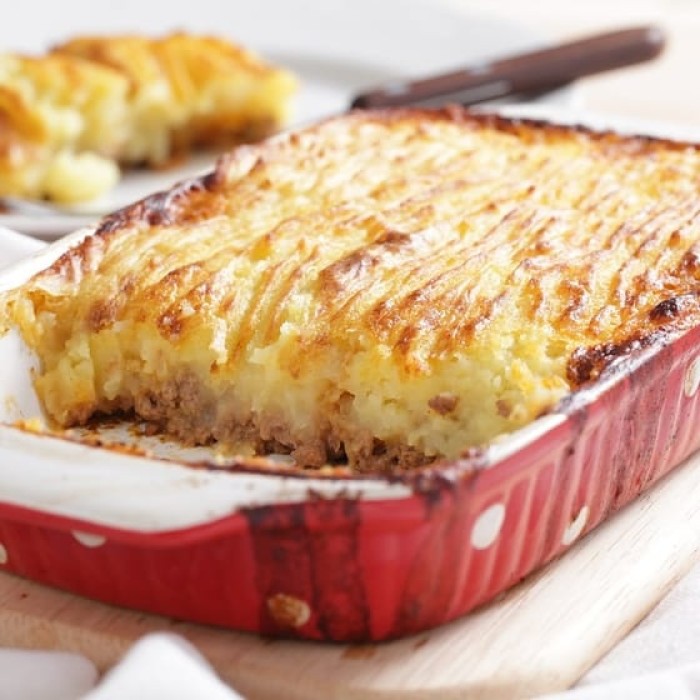
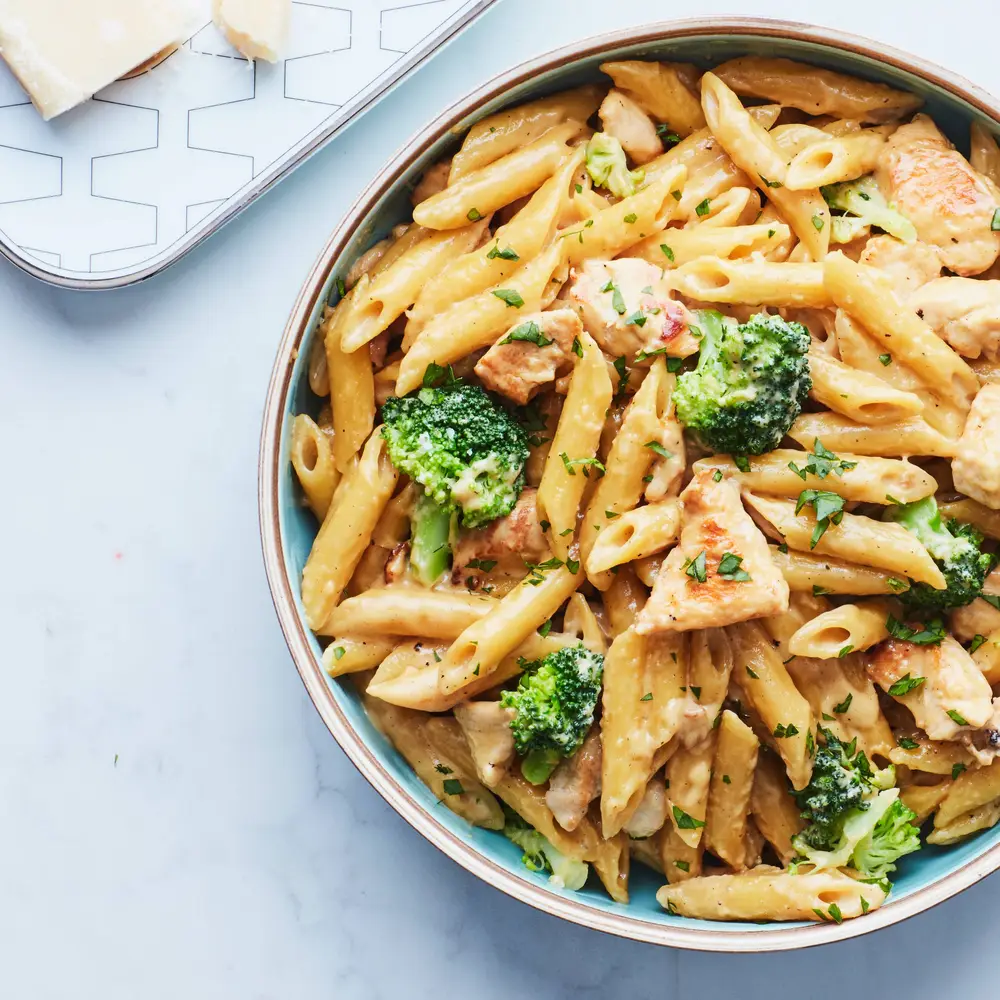
🥗 Best Meals to Break Your Fast
Gentle, nutrient-dense dishes designed to avoid insulin spikes and digestive discomfort when exiting your fast.
📚 You Might Also Like
7-Day 14:10 Fasting Meal Plan for Women: 1,400 Calories/Day (Hormone-Safe, PCOS & Anti-Inflammatory)