


Does Toothpaste Break a Fast?
✨ Key Takeaways
- Learn the best practices of intermittent fasting for optimal health.
- Understand how to track your fasting windows effectively.
- Discover the science-backed metabolic benefits of fasting.
In This Article
- The Morning Routine Dilemma
- The Ingredients in Toothpaste
- ⏱️ Keep Your Morning Routine Simple
- The Cephalic Phase Insulin Response (CPIR)
- Why You Shouldn’t Worry
- 1. You Don’t Swallow It
- 2. The Response is Negligible
- Key Takeaways for Fasting and Hygiene
- Focus on What Actually Matters
- Frequently Asked Questions
- Related Articles

The Morning Routine Dilemma
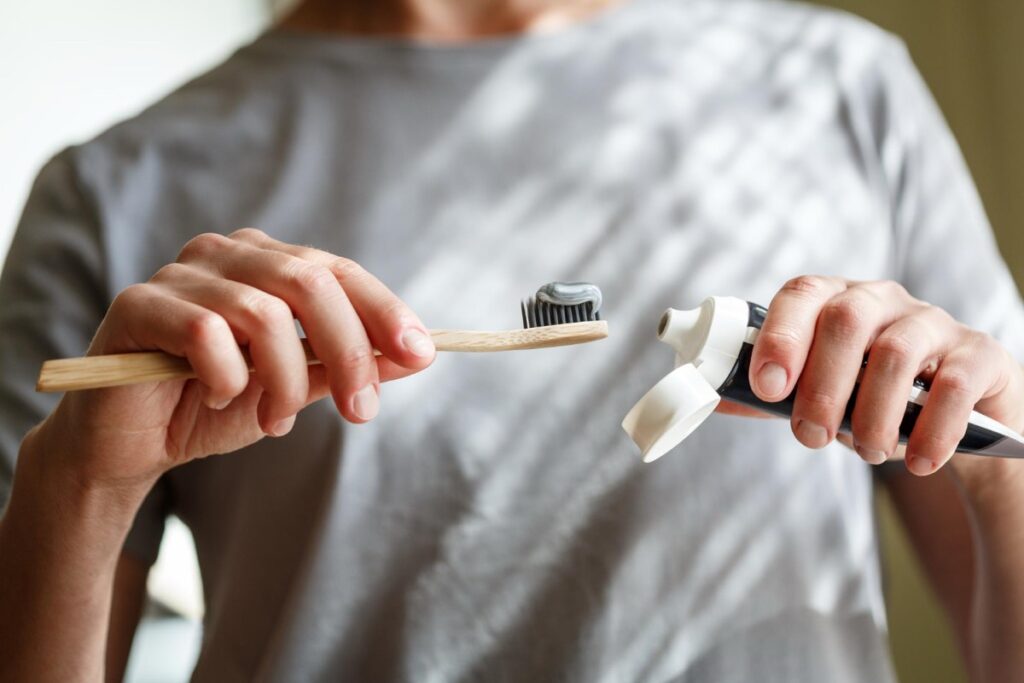
When you commit to intermittent fasting, you become hyper-aware of everything that goes into your mouth. The rules of a “clean fast” dictate that you consume only plain water, black coffee, or plain tea. But what about your morning hygiene routine? Does brushing your teeth with minty, sweet-tasting toothpaste technically break your fast?
It’s a question that plagues almost every fasting beginner. No one wants to undo 16 hours of fat-burning just because they wanted fresh breath before a morning meeting. Let’s look at the science of what happens in your mouth and your bloodstream when you use toothpaste.
Expert Take (Aly Owen): “I have clients who literally panic over brushing their teeth while fasting. I always tell them: the goal of fasting is health, and dental hygiene is a massive part of health. Do not sacrifice your teeth for fear of a microscopic, negligible insulin response.”
The Ingredients in Toothpaste
To understand if toothpaste breaks a fast, we have to look at what makes it sweet. Most commercial toothpastes do not contain real sugar (sucrose or fructose), as sugar directly causes the tooth decay that toothpaste is designed to prevent.
Instead, toothpaste is sweetened with artificial sweeteners or sugar alcohols, most commonly:
- Sorbitol
- Xylitol
- Sodium Saccharin
These ingredients provide the sweet, minty flavor without feeding the bacteria in your mouth. From a purely caloric standpoint, the amount of sweetener in a pea-sized drop of toothpaste is effectively zero calories.
⏱️ Keep Your Morning Routine Simple
Don’t stress over the small stuff; focus on consistency. Download our Simple Intermittent Fasting Tracker app on iOS to effortlessly track your fasting hours and build a sustainable morning routine.
The Cephalic Phase Insulin Response (CPIR)
The concern with toothpaste is not calories; it is the Cephalic Phase Insulin Response (CPIR). As discussed with artificial sweeteners, when your taste buds detect intense sweetness, your brain can mistakenly anticipate that sugar is entering the body and signal the pancreas to release a small amount of insulin.
Because the goal of a clean fast is to keep insulin absolutely flat, strict fasters worry that the sweet mint flavor of toothpaste will trigger this response and halt fat burning.
Why You Shouldn’t Worry
While the CPIR is a real biological phenomenon, the context of brushing your teeth makes it practically irrelevant for two main reasons:
1. You Don’t Swallow It
When you brush your teeth, you spit the toothpaste out and rinse your mouth. The volume of artificial sweetener that actually makes it into your digestive tract is microscopic. It is simply not enough volume to trigger a systemic hormonal response that would halt autophagy or lipolysis (fat burning).
2. The Response is Negligible
Even if a tiny trace of sweetener is swallowed and triggers a mild CPIR, the insulin spike would be so minuscule and short-lived that your body would return to a baseline fasted state within minutes. It will not ruin your 16-hour fast or stop your weight loss progress.
Key Takeaways for Fasting and Hygiene
- Brush Your Teeth: Poor dental hygiene is linked to systemic inflammation and cardiovascular disease. Skipping brushing your teeth is far more detrimental to your health than a theoretical micro-spike in insulin.
- Avoid Swallowing: Simply spit thoroughly and rinse your mouth with water after brushing.
- Watch Out for Mouthwash: Many commercial mouthwashes contain alcohol and significantly higher amounts of artificial sweeteners. While still generally safe if you spit, if you are an extreme purist, look for unsweetened, natural mouthwashes or use a simple saltwater rinse.
Focus on What Actually Matters
Don’t get bogged down in extreme minutiae. Get personalized schedules, track your weight, and stay focused on the big picture with the Simple Fasting App.
Frequently Asked Questions
What about breath mints during a fast?
Breath mints (even sugar-free ones) do break a fast. Unlike toothpaste, which you spit out, breath mints are swallowed directly into the digestive tract, delivering a concentrated dose of artificial sweeteners that can trigger hunger and an insulin response.
Are there specific “fasting-friendly” toothpastes?
While not strictly necessary, if you are incredibly sensitive to sweet flavors triggering hunger, you can use an unflavored toothpaste, a baking soda and water paste, or simply brush with water during your fasting window, saving the minty toothpaste for your eating window.
Why do I have bad breath while fasting?
“Keto breath” is a common side effect of burning fat. When your body produces ketones for energy, a byproduct called acetone is released through your breath (often smelling metallic or fruity). Drinking plenty of water and maintaining good oral hygiene is the best way to manage it.

📚 Scientific Studies & Medical References (5 Sources) ▼
FastingTracker adheres to strict editorial standards, citing peer-reviewed clinical trials and authoritative medical institutions.
- New England Journal of Medicine (2019): de Cabo R, Mattson MP. Effects of Intermittent Fasting on Health, Aging, and Disease. N Engl J Med. 381(26):2541-2551. PubMed 31881139 • DOI
- Cell Metabolism (2014): Levine ME, Suarez JA, Brandhorst S, et al. Low Protein Intake and Periodic Fasting Promote Longevity and Autophagy. Cell Metab. 19(3):407-417. PubMed 24606898 • DOI
- Obesity (Silver Spring, 2018): Anton SD, Moehl K, Donahoo WT, et al. Flipping the Metabolic Switch: Understanding and Applying Health Benefits of Fasting. Obesity. 26(2):254-268. PubMed 29086496 • DOI
- Annual Review of Nutrition (2017): Patterson RE, Sears DD. Metabolic Effects of Intermittent Fasting. Annu Rev Nutr. 37:371-393. PubMed 28715993 • DOI
- Autophagy (2010): Alirezaei M, Kemball CC, Flynn CT, et al. Short-term fasting induces profound neuronal and systemic autophagy. Autophagy. 6(6):702-710. PubMed 20534972 • DOI

Join over 50,000+ people using Fasting Tracker on Android and iOS to time eating windows, calculate ketosis stages, and hit your target weight.
Find Your Ideal Fasting Protocol
Answer 3 quick questions to calculate the safest and most effective intermittent fasting schedule for your body.
🥗 Best Meals to Break Your Fast
Gentle, nutrient-dense dishes designed to avoid insulin spikes and digestive discomfort when exiting your fast.