


OMAD vs 16:8: Which Fasting Method Is Better for Weight Loss?
✨ Key Takeaways
- Learn the best practices of intermittent fasting for optimal health.
- Understand how to track your fasting windows effectively.
- Discover the science-backed metabolic benefits of fasting.
In This Article
Interactive Fasting Timer & Autophagy Tracker
Select your protocol, track your fasting window in real-time, and watch your cellular autophagy stages unlock hour by hour.
Insulin is active and your body is processing nutrients from your last meal. Glycogen stores are full.
Want lockscreen widgets, notifications when you reach Ketosis & Autophagy, and offline tracking without keeping your browser open?
Set Fast Start Time
16:8 is best for beginners, families, and long-term sustainable lifestyle habits, while OMAD (One Meal a Day / 23:1) is superior for breaking stubborn weight loss plateaus and maximizing deep cellular autophagy. While 16:8 allows you to eat two full meals and a snack in an 8-hour window, OMAD concentrates all daily nutrition into a single 1-hour feast, providing 7 to 8 hours of intense daily fat-burning ketosis.
⚡ Quick Verdict
- Choose 16:8 If: You are new to fasting, enjoy lunch and dinner with family, work out intensely, or want a lifelong routine (read 16:8 guide).
- Choose OMAD If: Your weight loss has stalled on 16:8, you want maximal autophagy, or you prefer eating one large 1,500 kcal feast (read OMAD guide).
- Hybrid Approach (Recommended): Follow 16:8 on weekdays and add 1–2 days of OMAD for an accelerated fat-burning boost.
Feature-by-Feature Showdown: OMAD vs. 16:8
Switch Between 16:8 and OMAD in One Tap
Customize your fasting schedule daily. FastingTracker makes switching between protocols seamless.
Download Fasting Tracker Free →Medical References
- Stote KS et al. (2007). Reduced meal frequency in healthy adults. Am J Clin Nutr.
- Gabel K et al. (2018). 8-hour time-restricted feeding in humans. Nutr Healthy Aging.

📚 Scientific Studies & Medical References (5 Sources) ▼
FastingTracker adheres to strict editorial standards, citing peer-reviewed clinical trials and authoritative medical institutions.
- New England Journal of Medicine (2019): de Cabo R, Mattson MP. Effects of Intermittent Fasting on Health, Aging, and Disease. N Engl J Med. 381(26):2541-2551. PubMed 31881139 • DOI
- Cell Metabolism (2014): Levine ME, Suarez JA, Brandhorst S, et al. Low Protein Intake and Periodic Fasting Promote Longevity and Autophagy. Cell Metab. 19(3):407-417. PubMed 24606898 • DOI
- Obesity (Silver Spring, 2018): Anton SD, Moehl K, Donahoo WT, et al. Flipping the Metabolic Switch: Understanding and Applying Health Benefits of Fasting. Obesity. 26(2):254-268. PubMed 29086496 • DOI
- Annual Review of Nutrition (2017): Patterson RE, Sears DD. Metabolic Effects of Intermittent Fasting. Annu Rev Nutr. 37:371-393. PubMed 28715993 • DOI
- Autophagy (2010): Alirezaei M, Kemball CC, Flynn CT, et al. Short-term fasting induces profound neuronal and systemic autophagy. Autophagy. 6(6):702-710. PubMed 20534972 • DOI

Join over 50,000+ people using Fasting Tracker on Android and iOS to time eating windows, calculate ketosis stages, and hit your target weight.
Find Your Ideal Fasting Protocol
Answer 3 quick questions to calculate the safest and most effective intermittent fasting schedule for your body.
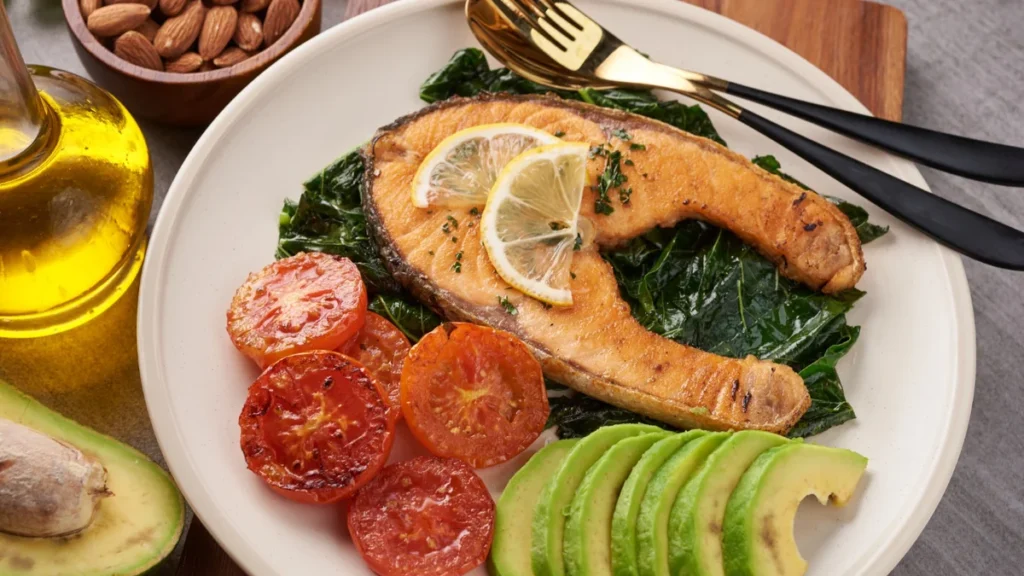
🥗 Best Meals to Break Your Fast
Gentle, nutrient-dense dishes designed to avoid insulin spikes and digestive discomfort when exiting your fast.