


What Is Intermittent Fasting? How It Works, Types, & Beginner Guide

✨ Key Takeaways
- Learn the best practices of intermittent fasting for optimal health.
- Understand how to track your fasting windows effectively.
- Discover the science-backed metabolic benefits of fasting.
In This Article
- How Intermittent Fasting Works: The Cellular Science
- Most Popular Intermittent Fasting Protocols Compared
- 5 Evidence-Based Health Benefits of Fasting
- How to Start Intermittent Fasting: 4-Step Checklist
- Track Your Fasts Effortlessly
- Frequently Asked Questions
- Can I drink anything during my fasting window?
- Will fasting cause muscle loss?
- Is intermittent fasting safe for women?
- Medical References
- Does It Break Your Fast? Interactive Drink Checker
- 📖 Related Fasting Guides & Research
Intermittent fasting (IF) is an eating pattern that cycles between scheduled periods of voluntary fasting and designated eating windows. Unlike conventional diets, intermittent fasting does not restrict which specific foods you eat, but rather specifies when you consume them. The most popular protocol, the 16:8 method, involves fasting for 16 consecutive hours daily and consuming all daily meals within an 8-hour window.
⚡ Key Takeaways
- Metabolic Switch: After 12–14 hours of fasting, insulin levels drop and the body switches from glucose to stored fatty acids as its primary fuel source.
- Cellular Autophagy: Extended fasting triggers cellular clean-up and repair mechanisms, clearing out damaged intracellular debris.
- Flexible Protocols: Popular methods include 16:8, 18:6, OMAD (One Meal a Day), and the 5:2 diet.
- Muscle Preservation: Clinical studies show intermittent fasting preserves lean muscle tissue more effectively than continuous severe calorie restriction.
How Intermittent Fasting Works: The Cellular Science
When you consume food, your body breaks down carbohydrates into glucose, triggering the pancreas to secrete insulin. Excess glucose is stored in the liver and muscles as glycogen, and any surplus is converted into triglycerides and stored in adipose (fat) tissue.
During the fasting window, the body undergoes a series of profound hormonal and metabolic shifts:
- Insulin Plummets: Within 4 to 8 hours after your last meal, circulating insulin drops significantly. Low insulin is the hormonal trigger that allows lipolysis (the breakdown of stored body fat into usable free fatty acids) to proceed.
- Human Growth Hormone (HGH) Spikes: Blood levels of growth hormone can increase up to five-fold during short-term fasting, facilitating fat loss while preserving skeletal muscle mass.
- Norepinephrine Rises: The nervous system releases norepinephrine (noradrenaline), boosting resting metabolic rate by 3.6% to 14% (American Journal of Clinical Nutrition).
- Autophagy Activation: Fasting downregulates mTOR and activates AMPK, stimulating cellular recycling and mitochondrial renewal (New England Journal of Medicine).
Most Popular Intermittent Fasting Protocols Compared
Different schedules suit different lifestyles. Here is an evidence-based comparison of the primary fasting protocols:
5 Evidence-Based Health Benefits of Fasting
- 1. Sustainable Weight and Visceral Fat Loss: Intermittent fasting generally leads to an automatic reduction in calorie intake while keeping metabolic rate elevated. Clinical trials show an average 3–8% weight loss over 3–24 weeks.
- 2. Improved Insulin Sensitivity: Fasting can reduce fasting insulin by 20–31% and blood sugar levels by 3–6%, offering significant protection against type 2 diabetes (Translational Research).
- 3. Cellular Repair and Autophagy: Cells initiate waste-removal processes, metabolizing malfunctioning proteins and damaged organelles.
- 4. Brain Health and Cognitive Clarity: Fasting increases Brain-Derived Neurotrophic Factor (BDNF), supporting new neuron growth and neuroprotection.
- 5. Reduced Systemic Inflammation: Studies report reductions in key inflammatory markers like hs-CRP and IL-6.
How to Start Intermittent Fasting: 4-Step Checklist
1. Calculate Your Baseline Metrics: Use our TDEE Calculator and BMI Calculator to determine your exact daily energy needs and target weight range.
2. Pick Your Initial Schedule: We recommend starting with 14:10 or 16:8 (e.g., skip breakfast, eat between 12:00 PM and 8:00 PM).
3. Stay Fully Hydrated: Calculate your hydration needs with our Water Intake Calculator and replenish electrolytes during longer fasts.
4. Track Your Fasting Window: Consistency is the single biggest factor for success. Using an intuitive timer app keeps you accountable and shows your metabolic stage in real-time.
Track Your Fasts Effortlessly
Join over 500,000 users. Set custom timers, track autophagy stages, monitor hydration, and hit your weight goals with FastingTracker for iOS.
Download Fasting Tracker Free →Frequently Asked Questions
Can I drink anything during my fasting window?
Yes. Water, sparkling water, black coffee, and plain unsweetened green or herbal tea are completely fasting-compliant and will not break your metabolic fast.
Will fasting cause muscle loss?
When combined with adequate protein intake (1.6–2.2g per kg) during your eating window and regular resistance training, intermittent fasting preserves muscle mass significantly better than chronic low-calorie diets.
Is intermittent fasting safe for women?
Yes, but women may benefit from a gentler approach (such as 14:10 or 16:8) and should listen to their bodies to maintain healthy hormonal balance and menstrual cycles.
Medical References
- de Cabo R, Mattson MP. (2019). Effects of Intermittent Fasting on Health, Aging, and Disease. New England Journal of Medicine, 381(26), 2541-2551.
- Barnosky AR et al. (2014). Intermittent fasting vs daily calorie restriction for type 2 diabetes prevention. Translational Research.
- Zauner C et al. (2000). Resting energy expenditure in short-term starvation. American Journal of Clinical Nutrition.

Does It Break Your Fast? Interactive Drink Checker
Search or filter any drink to verify its impact on insulin, ketosis, and cellular autophagy in real-time.
Pure black coffee does not break a fast. Its high chlorogenic acid content actually accelerates cellular autophagy and fat oxidation.
Unsweetened green tea contains potent EGCG catechins that stimulate AMPK and enhance fat breakdown while keeping insulin completely flat.
Pure water is the gold standard for fasting. It assists liver kidney clearance without causing any metabolic disruption.
Squeezing a wedge of lemon adds trace vitamin C and potassium. With fewer than 3 calories, it will not trigger an insulin spike or break fasting.
1-2 tablespoons diluted in water helps stabilize gastric emptying, suppresses appetite, and has zero negative effect on fasting.
Zero caloric value keeps ketosis intact, but artificial sweeteners (sucralose, acesulfame K) may trigger sweet cravings or cephalic phase insulin release.
Excellent for "dirty fasting" or multi-day electrolyte preservation. However, its amino acid content (glycine, proline) pauses mTOR autophagy.
Pure fat keeps you in ketosis, but the incoming calories prevent cellular autophagy and cause the body to burn dietary fat before body fat.
Lactose is a dairy sugar that immediately raises blood glucose and insulin, stopping lipolysis and breaking your fast within minutes.
High fructose concentration floods the liver, triggers rapid insulin release, and instantly terminates both ketosis and autophagy.
Although rich in potassium, natural coconut water contains 9-11 grams of natural carbohydrates per cup, which breaks your fasting window.
The liver halts all fat oxidation and ketone synthesis to prioritize metabolizing toxic alcohol byproducts, severely stressing your metabolism.
Track daily hydration, fasting windows, and get notified when entering peak autophagy with FastingTracker.
Interactive Autophagy & Cellular Renewal Tracker
Drag the slider to see what metabolic transformations occur inside your cells hour by hour.
...
📖 Related Fasting Guides & Research

📚 Scientific Studies & Medical References (5 Sources) ▼
FastingTracker adheres to strict editorial standards, citing peer-reviewed clinical trials and authoritative medical institutions.
- New England Journal of Medicine (2019): de Cabo R, Mattson MP. Effects of Intermittent Fasting on Health, Aging, and Disease. N Engl J Med. 381(26):2541-2551. PubMed 31881139 • DOI
- Cell Metabolism (2014): Levine ME, Suarez JA, Brandhorst S, et al. Low Protein Intake and Periodic Fasting Promote Longevity and Autophagy. Cell Metab. 19(3):407-417. PubMed 24606898 • DOI
- Obesity (Silver Spring, 2018): Anton SD, Moehl K, Donahoo WT, et al. Flipping the Metabolic Switch: Understanding and Applying Health Benefits of Fasting. Obesity. 26(2):254-268. PubMed 29086496 • DOI
- Annual Review of Nutrition (2017): Patterson RE, Sears DD. Metabolic Effects of Intermittent Fasting. Annu Rev Nutr. 37:371-393. PubMed 28715993 • DOI
- Autophagy (2010): Alirezaei M, Kemball CC, Flynn CT, et al. Short-term fasting induces profound neuronal and systemic autophagy. Autophagy. 6(6):702-710. PubMed 20534972 • DOI

Join over 50,000+ people using Fasting Tracker on Android and iOS to time eating windows, calculate ketosis stages, and hit your target weight.
Find Your Ideal Fasting Protocol
Answer 3 quick questions to calculate the safest and most effective intermittent fasting schedule for your body.
Enter your current weight and target weight to get an exact predicted date for reaching your goal using intermittent fasting.
Personal Fasting Protocol Finder
Answer 3 quick questions to calculate your optimal, science-backed fasting and eating windows.
1. What is your primary health goal?
2. What is your fasting experience?
3. What matches your daily lifestyle?
16:8 Lean Protocol
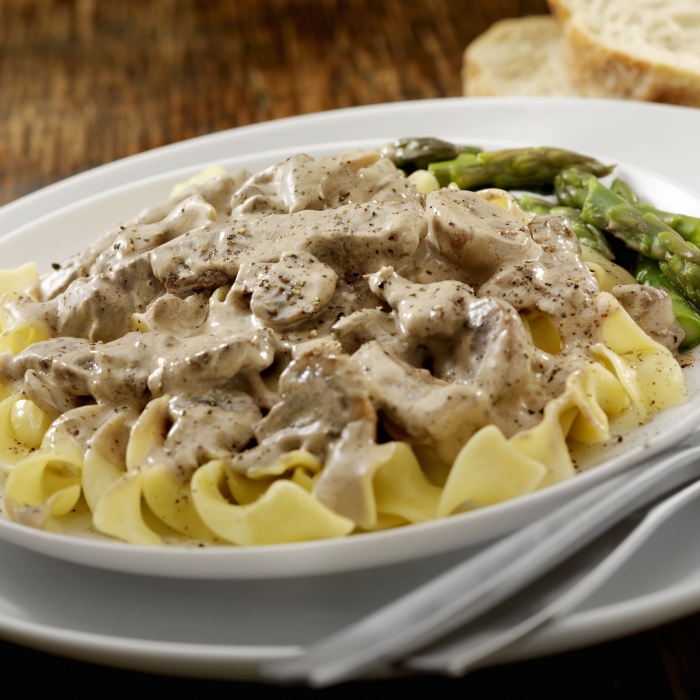
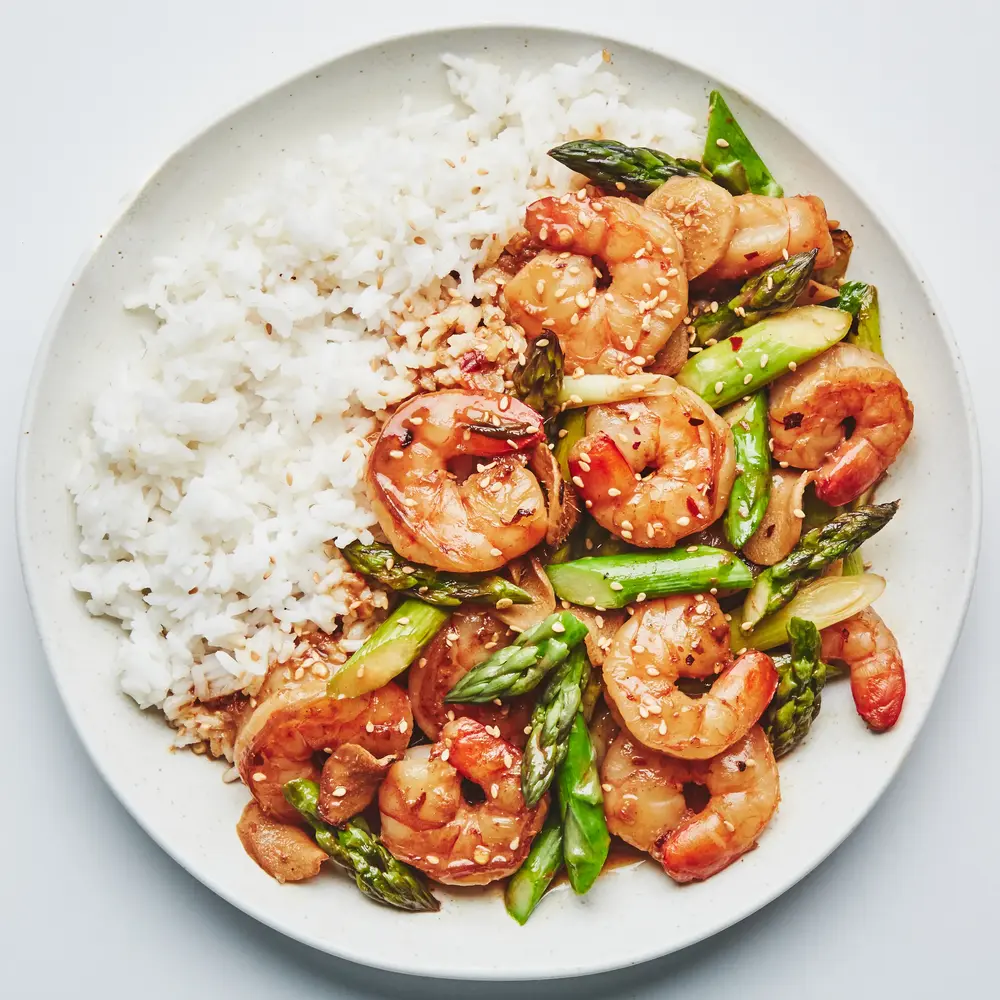
🥗 Best Meals to Break Your Fast
Gentle, nutrient-dense dishes designed to avoid insulin spikes and digestive discomfort when exiting your fast.

📚 You Might Also Like