


Intermittent Fasting and the Menstrual Cycle: How to Fast According to Your Cycle

✨ Key Takeaways
- Learn the best practices of intermittent fasting for optimal health.
- Understand how to track your fasting windows effectively.
- Discover the science-backed metabolic benefits of fasting.
In This Article
- Why Women Can’t Fast Like Men
- The Two Phases of Your Cycle
- Phase 1: The Follicular Phase (Days 1 to 14)
- ⏱️ Track Your Fasting Flexibility
- Phase 2: The Luteal Phase (Days 15 to 28)
- The Importance of Carbohydrates
- Key Takeaways for Cyclical Fasting
- Ready to Fast in Harmony with Your Body?
- Frequently Asked Questions
- Does It Break Your Fast? Interactive Drink Checker
- 📖 Related Fasting Guides & Research

Why Women Can’t Fast Like Men
If you read a study praising the benefits of intermittent fasting, there is a very high probability that the study was conducted exclusively on male mice or male humans. Men have a relatively flat, consistent hormonal profile, meaning a rigid daily 16:8 fasting schedule works perfectly for them 365 days a year.
Women, however, possess a dynamic, complex, and highly sensitive 28-day hormonal cycle. Attempting to force a strict, rigid fasting schedule every single day of the month is a recipe for disaster. It can lead to missed periods (amenorrhea), hair loss, severe PMS, and a crashed metabolism. To succeed with fasting, women must learn to sync their fasting windows with their menstrual cycle.
Expert Take (Aly Owen): “The female body is designed to be highly sensitive to famine, because reproduction requires massive amounts of energy. If you push a 20-hour fast during the week before your period, your body thinks it’s starving and shuts down progesterone production. You have to flow with your hormones, not fight them.”
The Two Phases of Your Cycle
To understand how to fast, you must understand the two dominant hormones in your cycle: Estrogen and Progesterone. These hormones require entirely different metabolic environments to thrive.
Phase 1: The Follicular Phase (Days 1 to 14)
This phase begins on the first day of your period and lasts until ovulation (roughly day 14). During this time, Estrogen is the dominant hormone.
Estrogen is incredibly resilient. It makes your body more insulin-sensitive, more tolerant of stress, and better at burning fat. This is the “power phase” of your cycle.
How to Fast: This is the time to push your fasting limits. Your body can easily handle 16-hour, 18-hour, or even occasional 24-hour fasts without crashing your hormones. You will likely feel energetic, focused, and find it easy to stick to a lower-carbohydrate diet.
⏱️ Track Your Fasting Flexibility
Don’t force the same schedule every day. Download our Simple Intermittent Fasting Tracker app on iOS to easily adjust your daily fasting goals based on where you are in your cycle.
Phase 2: The Luteal Phase (Days 15 to 28)
This phase begins after ovulation and lasts until your period starts. Now, Progesterone takes over as the dominant hormone.
Progesterone is the “nurturing” hormone. Its job is to prepare the body for a potential pregnancy. To do this, progesterone makes you slightly more insulin-resistant (to keep blood sugar higher for a potential embryo) and makes your body highly sensitive to stress. Fasting is a stressor.
How to Fast: You must step off the gas. Pushing long fasts during this phase will spike cortisol, which actively destroys progesterone, leading to severe PMS, mood swings, and cravings. You should reduce your fasts to 12 or 14 hours maximum. In the 3-5 days right before your period starts, it is often best to stop fasting entirely and focus on nourishing the body.
The Importance of Carbohydrates
During the Luteal phase, your body actually needs more carbohydrates to produce serotonin and progesterone. If you combine strict fasting with a strict Keto diet the week before your period, you will likely feel miserable and ravenous.
During days 21-28, gently increase your intake of complex carbohydrates: sweet potatoes, squashes, quinoa, and dark chocolate. This signals to your brain that food is plentiful, keeping your thyroid and reproductive hormones feeling safe and secure.
Key Takeaways for Cyclical Fasting
- Listen to Your Body: If you are ravenously hungry and exhausted on day 24 of your cycle, do not push through the fast. Break it and eat a healthy, carb-rich meal.
- Track Your Cycle: You cannot fast correctly if you don’t know where you are in your cycle. Use a cycle tracking app in tandem with your fasting app.
- Menopause Exception: If you are fully post-menopausal and no longer have a cycling hormone profile, you can safely return to a consistent daily fasting schedule (like 16:8) without needing to cycle it.
Ready to Fast in Harmony with Your Body?
Stop fighting your biology. Get customized, flexible fasting schedules and daily motivation tailored to you with the Simple Fasting App.
Frequently Asked Questions
What if I am on hormonal birth control?
Hormonal birth control (like the pill) suppresses your natural hormone fluctuations and replaces them with synthetic hormones. Because you do not have a natural estrogen/progesterone curve, you generally do not need to alter your fasting schedule drastically; a consistent 14-16 hour fast is usually well-tolerated year-round.
Why do I gain weight the week before my period, even when fasting?
This is entirely normal. Progesterone causes water retention, and the slight insulin resistance during the luteal phase makes your body hold onto fluids. Do not panic and do not aggressively fast to try and fix it. The water weight will flush out naturally on days 2-3 of your period.
My period stopped completely after I started fasting. What should I do?
This is a condition called hypothalamic amenorrhea, caused by severe stress and calorie restriction. You must immediately stop intermittent fasting, increase your daily caloric intake (especially healthy fats and carbs), and reduce intense exercise until your cycle returns. Consult your doctor.

Does It Break Your Fast? Interactive Drink Checker
Search or filter any drink to verify its impact on insulin, ketosis, and cellular autophagy in real-time.
Pure black coffee does not break a fast. Its high chlorogenic acid content actually accelerates cellular autophagy and fat oxidation.
Unsweetened green tea contains potent EGCG catechins that stimulate AMPK and enhance fat breakdown while keeping insulin completely flat.
Pure water is the gold standard for fasting. It assists liver kidney clearance without causing any metabolic disruption.
Squeezing a wedge of lemon adds trace vitamin C and potassium. With fewer than 3 calories, it will not trigger an insulin spike or break fasting.
1-2 tablespoons diluted in water helps stabilize gastric emptying, suppresses appetite, and has zero negative effect on fasting.
Zero caloric value keeps ketosis intact, but artificial sweeteners (sucralose, acesulfame K) may trigger sweet cravings or cephalic phase insulin release.
Excellent for "dirty fasting" or multi-day electrolyte preservation. However, its amino acid content (glycine, proline) pauses mTOR autophagy.
Pure fat keeps you in ketosis, but the incoming calories prevent cellular autophagy and cause the body to burn dietary fat before body fat.
Lactose is a dairy sugar that immediately raises blood glucose and insulin, stopping lipolysis and breaking your fast within minutes.
High fructose concentration floods the liver, triggers rapid insulin release, and instantly terminates both ketosis and autophagy.
Although rich in potassium, natural coconut water contains 9-11 grams of natural carbohydrates per cup, which breaks your fasting window.
The liver halts all fat oxidation and ketone synthesis to prioritize metabolizing toxic alcohol byproducts, severely stressing your metabolism.
Track daily hydration, fasting windows, and get notified when entering peak autophagy with FastingTracker.
📖 Related Fasting Guides & Research

📚 Scientific Studies & Medical References (5 Sources) ▼
FastingTracker adheres to strict editorial standards, citing peer-reviewed clinical trials and authoritative medical institutions.
- New England Journal of Medicine (2019): de Cabo R, Mattson MP. Effects of Intermittent Fasting on Health, Aging, and Disease. N Engl J Med. 381(26):2541-2551. PubMed 31881139 • DOI
- Cell Metabolism (2014): Levine ME, Suarez JA, Brandhorst S, et al. Low Protein Intake and Periodic Fasting Promote Longevity and Autophagy. Cell Metab. 19(3):407-417. PubMed 24606898 • DOI
- Obesity (Silver Spring, 2018): Anton SD, Moehl K, Donahoo WT, et al. Flipping the Metabolic Switch: Understanding and Applying Health Benefits of Fasting. Obesity. 26(2):254-268. PubMed 29086496 • DOI
- Annual Review of Nutrition (2017): Patterson RE, Sears DD. Metabolic Effects of Intermittent Fasting. Annu Rev Nutr. 37:371-393. PubMed 28715993 • DOI
- Autophagy (2010): Alirezaei M, Kemball CC, Flynn CT, et al. Short-term fasting induces profound neuronal and systemic autophagy. Autophagy. 6(6):702-710. PubMed 20534972 • DOI

Join over 50,000+ people using Fasting Tracker on Android and iOS to time eating windows, calculate ketosis stages, and hit your target weight.
Find Your Ideal Fasting Protocol
Answer 3 quick questions to calculate the safest and most effective intermittent fasting schedule for your body.
Enter your current weight and target weight to get an exact predicted date for reaching your goal using intermittent fasting.
Personal Fasting Protocol Finder
Answer 3 quick questions to calculate your optimal, science-backed fasting and eating windows.
1. What is your primary health goal?
2. What is your fasting experience?
3. What matches your daily lifestyle?
16:8 Lean Protocol
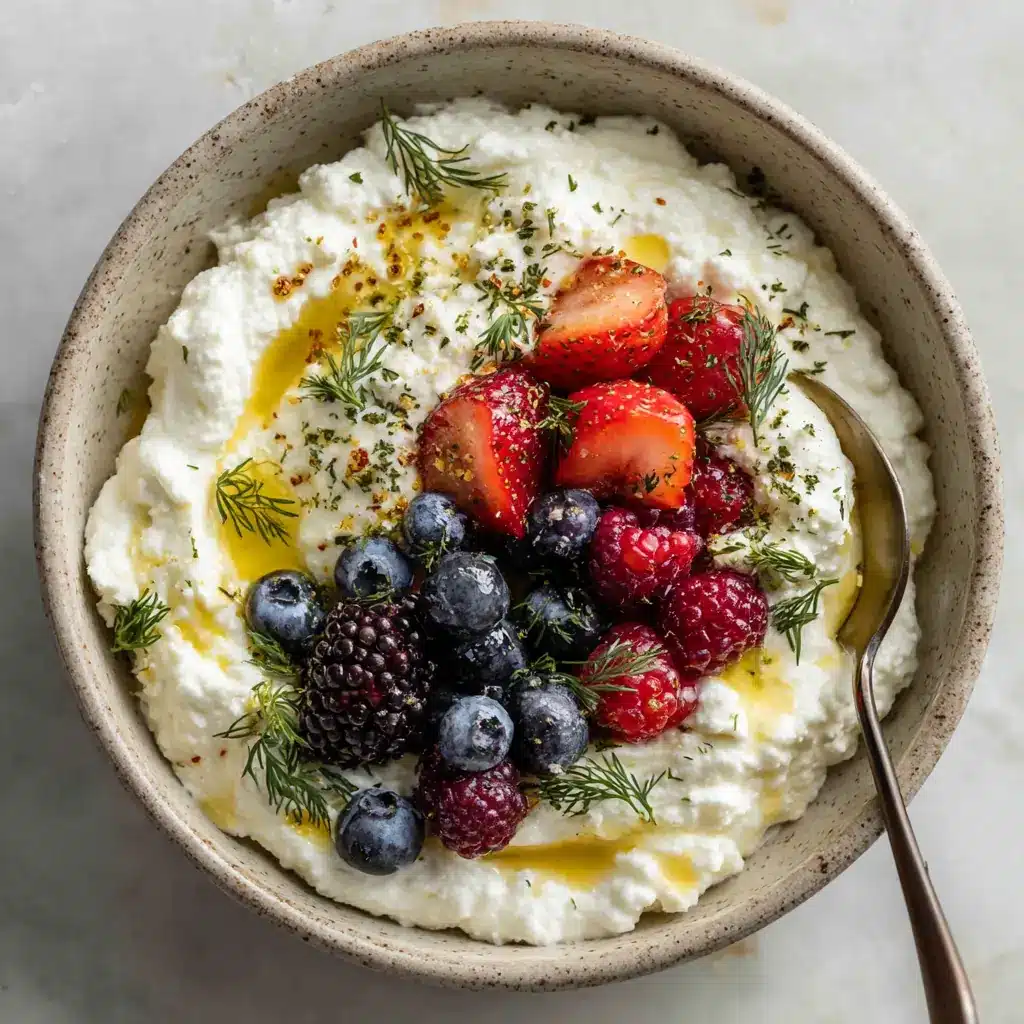
🥗 Best Meals to Break Your Fast
Gentle, nutrient-dense dishes designed to avoid insulin spikes and digestive discomfort when exiting your fast.


📚 You Might Also Like