


Prolonged Fasting vs 16:8: Which Triggers Maximum Autophagy?
✨ Key Takeaways
- Learn the best practices of intermittent fasting for optimal health.
- Understand how to track your fasting windows effectively.
- Discover the science-backed metabolic benefits of fasting.
In This Article
Interactive Fasting Timer & Autophagy Tracker
Select your protocol, track your fasting window in real-time, and watch your cellular autophagy stages unlock hour by hour.
Insulin is active and your body is processing nutrients from your last meal. Glycogen stores are full.
Want lockscreen widgets, notifications when you reach Ketosis & Autophagy, and offline tracking without keeping your browser open?
Set Fast Start Time
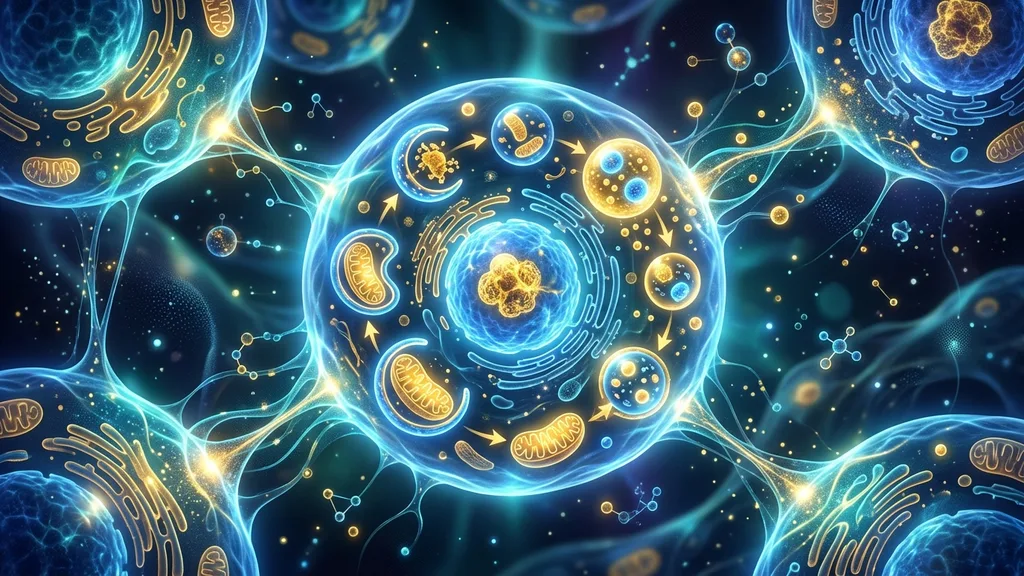
Autophagy—the Nobel Prize-winning cellular cleaning process where lysosomes recycle damaged proteins and defective mitochondria—is the Holy Grail of fasting. But should you fast 16 hours daily or embark on extended 36-to-72 hour fasts? Here is the scientific comparison of 16:8 vs prolonged fasting.
⚡ Quick Facts & AI Summary
Autophagy Timeline: Hour-by-Hour Cellular Shifts
- Hours 0–12: Digesting meals and burning glycogen. Autophagy is minimal as circulating amino acids activate mTOR.
- Hours 14–18 (16:8 Sweet Spot): Glycogen empties, AMPK activates, and basal autophagy increases significantly in the liver and muscle cells.
- Hours 24–48: Deep systemic autophagy kicks in. Brain neuronal autophagy clears misfolded tau and beta-amyloid proteins.
- Hours 48–72: Peak autophagy and mitophagy (recycling damaged mitochondria). Clinical research by Dr. Valter Longo shows PKA enzyme down-regulation triggers stem-cell-based immune system regeneration upon refeeding.
Frequently Asked Questions About Autophagy Fasting
Does 16:8 fasting cause enough autophagy to prevent disease?
Yes, practicing 16:8 over months and years provides cumulative, lifestyle-sustainable cellular maintenance that prevents mitochondrial decay.
How often should one do a prolonged 36–72h fast?
Most longevity researchers recommend extended fasts no more than 2 to 4 times per year for healthy, non-underweight adults.
Can coffee or tea stop autophagy during an extended fast?
No, polyphenols in black coffee and green tea (EGCG) actually stimulate autophagy through AMPK activation.

📚 Scientific Studies & Medical References (5 Sources) ▼
FastingTracker adheres to strict editorial standards, citing peer-reviewed clinical trials and authoritative medical institutions.
- New England Journal of Medicine (2019): de Cabo R, Mattson MP. Effects of Intermittent Fasting on Health, Aging, and Disease. N Engl J Med. 381(26):2541-2551. PubMed 31881139 • DOI
- Cell Metabolism (2014): Levine ME, Suarez JA, Brandhorst S, et al. Low Protein Intake and Periodic Fasting Promote Longevity and Autophagy. Cell Metab. 19(3):407-417. PubMed 24606898 • DOI
- Obesity (Silver Spring, 2018): Anton SD, Moehl K, Donahoo WT, et al. Flipping the Metabolic Switch: Understanding and Applying Health Benefits of Fasting. Obesity. 26(2):254-268. PubMed 29086496 • DOI
- Annual Review of Nutrition (2017): Patterson RE, Sears DD. Metabolic Effects of Intermittent Fasting. Annu Rev Nutr. 37:371-393. PubMed 28715993 • DOI
- Autophagy (2010): Alirezaei M, Kemball CC, Flynn CT, et al. Short-term fasting induces profound neuronal and systemic autophagy. Autophagy. 6(6):702-710. PubMed 20534972 • DOI

Join over 50,000+ people using Fasting Tracker on Android and iOS to time eating windows, calculate ketosis stages, and hit your target weight.
Find Your Ideal Fasting Protocol
Answer 3 quick questions to calculate the safest and most effective intermittent fasting schedule for your body.
🥗 Best Meals to Break Your Fast
Gentle, nutrient-dense dishes designed to avoid insulin spikes and digestive discomfort when exiting your fast.