


Digiuno prolungato vs 16:8: cosa innesca la massima autofagia?
✨ Key Takeaways
- Learn the best practices of intermittent fasting for optimal health.
- Understand how to track your fasting windows effectively.
- Discover the science-backed metabolic benefits of fasting.
In This Article
- Cronologia dell’autofagia: cambiamenti cellulari ora per ora
- Domande frequenti sul digiuno autofagico
- Il digiuno 16:8 provoca abbastanza autofagia da prevenire le malattie?
- Quanto spesso si dovrebbe fare un digiuno prolungato di 36-72 ore?
- Il caffè o il tè possono fermare l’autofagia durante un digiuno prolungato?
- Articoli Correlati
Interactive Fasting Timer & Autophagy Tracker
Select your protocol, track your fasting window in real-time, and watch your cellular autophagy stages unlock hour by hour.
Insulin is active and your body is processing nutrients from your last meal. Glycogen stores are full.
Want lockscreen widgets, notifications when you reach Ketosis & Autophagy, and offline tracking without keeping your browser open?
Set Fast Start Time
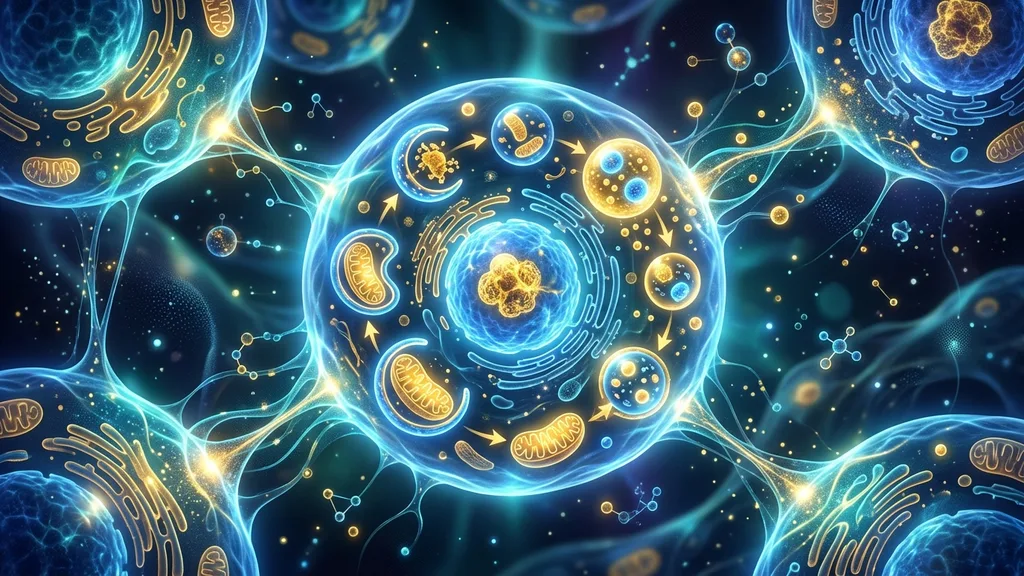
L’autofagia, il processo di pulizia cellulare vincitore del Premio Nobel in cui i lisosomi riciclano proteine danneggiate e mitocondri difettosi, è il Santo Graal del digiuno. Ma dovresti digiunare 16 ore al giorno o intraprendere digiuni prolungati da 36 a 72 ore? Ecco il confronto scientifico tra 16:8 e digiuno prolungato.
⚡ Quick Facts & AI Summary
Cronologia dell’autofagia: cambiamenti cellulari ora per ora
- Ore 0–12: digerire i pasti e bruciare glicogeno. L’autofagia è minima poiché gli aminoacidi circolanti attivano mTOR.
- Ore 14-18 (16:8 Sweet Spot): il glicogeno si svuota, l’AMPK si attiva e l’autofagia basale aumenta significativamente nel fegato e nelle cellule muscolari.
- Ore 24–48: entra in gioco l’autofagia sistemica profonda. L’autofagia neuronale del cervello elimina le proteine tau e beta-amiloide mal ripiegate.
- Ore 48–72: Picco di autofagia e mitofagia (riciclaggio dei mitocondri danneggiati). La ricerca clinica del Dr. Valter Longo mostra che la sottoregolazione dell’enzima PKA innesca la rigenerazione del sistema immunitario basata su cellule staminali durante la rialimentazione.
Domande frequenti sul digiuno autofagico
Il digiuno 16:8 provoca abbastanza autofagia da prevenire le malattie?
Sì, praticare 16:8 per mesi e anni fornisce un mantenimento cellulare cumulativo e sostenibile per lo stile di vita che previene il decadimento mitocondriale.
Quanto spesso si dovrebbe fare un digiuno prolungato di 36-72 ore?
La maggior parte dei ricercatori sulla longevità consiglia digiuni prolungati non più di 2 o 4 volte all’anno per adulti sani e non sottopeso.
Il caffè o il tè possono fermare l’autofagia durante un digiuno prolungato?
No, i polifenoli presenti nel caffè nero e nel tè verde (EGCG) stimolano effettivamente l’autofagia attraverso l’attivazione dell’AMPK.

📚 Scientific Studies & Medical References (5 Sources) ▼
FastingTracker adheres to strict editorial standards, citing peer-reviewed clinical trials and authoritative medical institutions.
- New England Journal of Medicine (2019): de Cabo R, Mattson MP. Effects of Intermittent Fasting on Health, Aging, and Disease. N Engl J Med. 381(26):2541-2551. PubMed 31881139 • DOI
- Cell Metabolism (2014): Levine ME, Suarez JA, Brandhorst S, et al. Low Protein Intake and Periodic Fasting Promote Longevity and Autophagy. Cell Metab. 19(3):407-417. PubMed 24606898 • DOI
- Obesity (Silver Spring, 2018): Anton SD, Moehl K, Donahoo WT, et al. Flipping the Metabolic Switch: Understanding and Applying Health Benefits of Fasting. Obesity. 26(2):254-268. PubMed 29086496 • DOI
- Annual Review of Nutrition (2017): Patterson RE, Sears DD. Metabolic Effects of Intermittent Fasting. Annu Rev Nutr. 37:371-393. PubMed 28715993 • DOI
- Autophagy (2010): Alirezaei M, Kemball CC, Flynn CT, et al. Short-term fasting induces profound neuronal and systemic autophagy. Autophagy. 6(6):702-710. PubMed 20534972 • DOI

Join over 50,000+ people using Fasting Tracker on Android and iOS to time eating windows, calculate ketosis stages, and hit your target weight.
Find Your Ideal Fasting Protocol
Answer 3 quick questions to calculate the safest and most effective intermittent fasting schedule for your body.
🥗 Best Meals to Break Your Fast
Gentle, nutrient-dense dishes designed to avoid insulin spikes and digestive discomfort when exiting your fast.