

Fasting with a Cold or Flu: Should You Stop Intermittent Fasting When Sick?
✨ Key Takeaways
- Learn the best practices of intermittent fasting for optimal health.
- Understand how to track your fasting windows effectively.
- Discover the science-backed metabolic benefits of fasting.
In This Article
- The Biology of Sickness and Fasting
- Why Fasting Helps (The “Starve a Fever” Concept)
- ⏱️ Track Your Health Trends
- Why Fasting Hurts (The Cortisol Problem)
- The Verdict: Listen to Your Appetite
- Medication and Fasting
- Ready to Heal Naturally?
- Frequently Asked Questions
- Does It Break Your Fast? Interactive Drink Checker
- 📖 Related Fasting Guides & Research

The Biology of Sickness and Fasting
When you come down with a bad cold, the flu, or a fever, your entire daily routine goes out the window. But for those dedicated to an intermittent fasting lifestyle, illness presents a confusing dilemma. The old adage says, “Feed a cold, starve a fever.” But what does modern science say? Should you force yourself to maintain your 16-hour fasting window when you are shivering under a blanket, or should you abandon the clock and eat?
The relationship between the immune system, fasting, and infection is incredibly complex. Fasting can be a powerful tool for healing, but it can also be an unnecessary stressor on a body that is already fighting a war. Let’s explore whether you should fast or feast when you are sick.
Expert Take (Aly Owen): “When you are sick, your body is incredibly smart. If you completely lose your appetite, that is your body telling you it needs to redirect energy from digestion to the immune system. But if you are ravenously hungry, you must eat to provide fuel for the fight. Always listen to the symptom, not the clock.”
Why Fasting Helps (The “Starve a Fever” Concept)
There is a biological reason why humans (and almost all animals) naturally lose their appetite when they get a severe infection. Digestion is one of the most energy-intensive processes in the body. By abstaining from food, the body can redirect massive amounts of energy toward the immune system to fight the pathogen.
Furthermore, fasting triggers autophagy. During autophagy, cells clear out damaged proteins and intracellular debris. Some studies suggest that autophagy also plays a crucial role in clearing out certain viruses and intracellular bacteria, essentially “eating” the invading pathogens. If you have no appetite, fasting is your body’s natural defense mechanism.
⏱️ Track Your Health Trends
Illness can disrupt your progress, but tracking helps you recover. Download our Simple Intermittent Fasting Tracker app on iOS to log your symptoms, monitor your hydration, and gently transition back into your fasting routine when you feel better.
Why Fasting Hurts (The Cortisol Problem)
While fasting is a natural defense, it is also a biological stressor. Fasting raises cortisol (the stress hormone) and adrenaline to help mobilize fat for energy.
When you have a viral infection, your body is already under immense stress. If you force a fast when you are hungry, you are compounding the stress. Excessively high cortisol levels can actually suppress the immune system, making it harder for your body to fight off the cold or flu.
Additionally, fighting an infection requires a massive amount of metabolic energy. If you are deeply fatigued, providing your body with easily digestible, nutrient-dense calories (like bone broth or a light soup) gives the immune system the raw materials it needs to produce white blood cells and antibodies.
The Verdict: Listen to Your Appetite
The golden rule for fasting while sick is simple: Abandon the schedule and listen to your body.
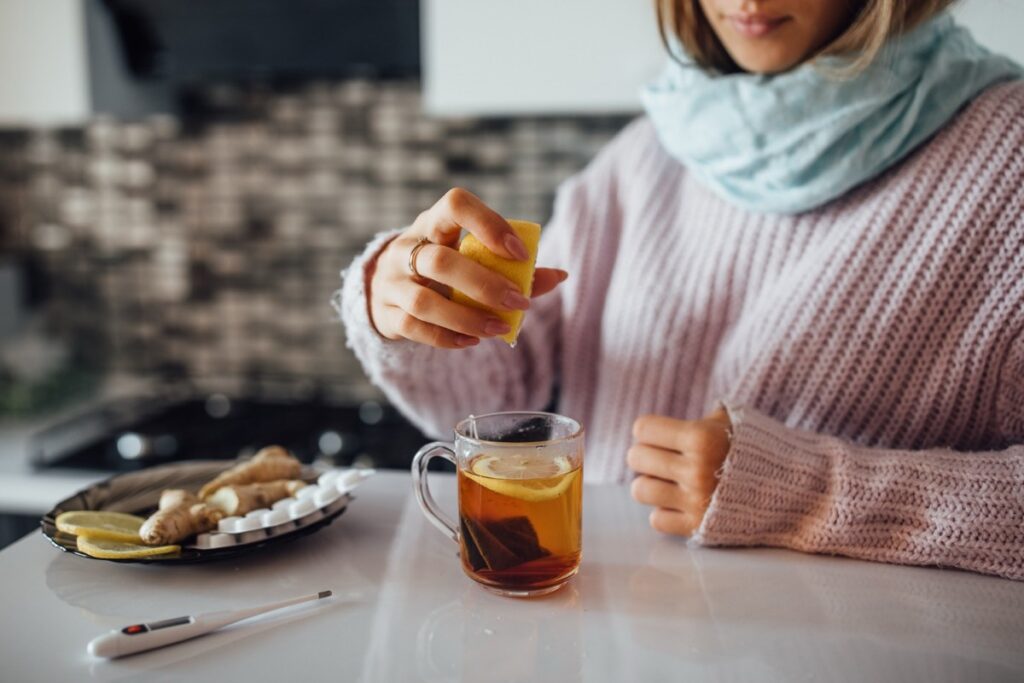
- If you have zero appetite: Do not force yourself to eat just because it is “time for lunch.” Drink plenty of water, hot tea, and electrolytes. Let your body fast and heal.
- If you are hungry: Eat. Do not watch the fasting timer. Your body is telling you it needs fuel to fight the infection. Break the fast with nourishing, easy-to-digest foods like chicken soup, bone broth, or scrambled eggs. Avoid heavy, greasy, or highly processed sugary foods, as these will trigger inflammation.
Medication and Fasting
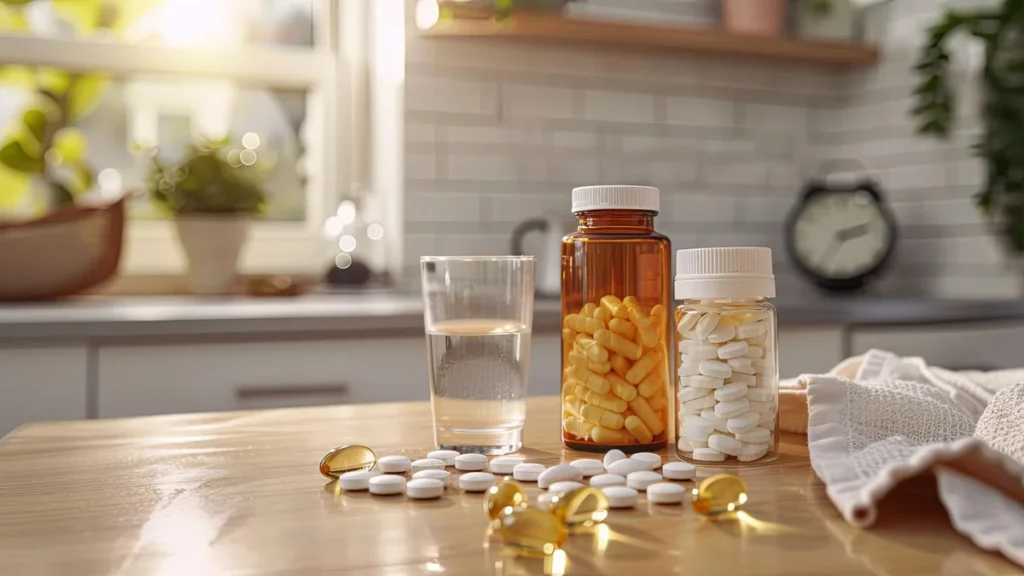
A crucial factor to consider is medication. Many over-the-counter cold and flu medications (especially NSAIDs like ibuprofen) can cause severe stomach upset, ulcers, or gastrointestinal bleeding if taken on a completely empty stomach. Furthermore, many liquid cough syrups are packed with sugar and will break your fast anyway. If you need medication that requires food, you must break your fast.
Ready to Heal Naturally?
Fasting is a tool for wellness, not a rigid rule. When you are recovered, get back on track with personalized schedules and daily motivation from the Simple Fasting App.
Frequently Asked Questions
Does drinking tea with honey break my fast if I have a sore throat?
Yes. Honey is pure sugar (fructose and glucose) and will immediately spike your insulin and break the fasted state. However, if you are sick and the honey soothes your throat, drink it! Your priority is healing, not autophagy.
I lost weight while sick and fasting, but gained it back immediately. Why?
When you are sick, you often become dehydrated and eat very little, leading to a rapid loss of water weight and glycogen. Once you recover and eat normally, the glycogen and water return. This is normal and expected.
Should I take Vitamin C and Zinc during my fasting window?
While Vitamin C is water-soluble, taking large doses of Vitamin C or Zinc on a completely empty stomach can cause severe nausea and cramping. It is highly recommended to take these immune supplements during your eating window.

Does It Break Your Fast? Interactive Drink Checker
Search or filter any drink to verify its impact on insulin, ketosis, and cellular autophagy in real-time.
Pure black coffee does not break a fast. Its high chlorogenic acid content actually accelerates cellular autophagy and fat oxidation.
Unsweetened green tea contains potent EGCG catechins that stimulate AMPK and enhance fat breakdown while keeping insulin completely flat.
Pure water is the gold standard for fasting. It assists liver kidney clearance without causing any metabolic disruption.
Squeezing a wedge of lemon adds trace vitamin C and potassium. With fewer than 3 calories, it will not trigger an insulin spike or break fasting.
1-2 tablespoons diluted in water helps stabilize gastric emptying, suppresses appetite, and has zero negative effect on fasting.
Zero caloric value keeps ketosis intact, but artificial sweeteners (sucralose, acesulfame K) may trigger sweet cravings or cephalic phase insulin release.
Excellent for "dirty fasting" or multi-day electrolyte preservation. However, its amino acid content (glycine, proline) pauses mTOR autophagy.
Pure fat keeps you in ketosis, but the incoming calories prevent cellular autophagy and cause the body to burn dietary fat before body fat.
Lactose is a dairy sugar that immediately raises blood glucose and insulin, stopping lipolysis and breaking your fast within minutes.
High fructose concentration floods the liver, triggers rapid insulin release, and instantly terminates both ketosis and autophagy.
Although rich in potassium, natural coconut water contains 9-11 grams of natural carbohydrates per cup, which breaks your fasting window.
The liver halts all fat oxidation and ketone synthesis to prioritize metabolizing toxic alcohol byproducts, severely stressing your metabolism.
Track daily hydration, fasting windows, and get notified when entering peak autophagy with FastingTracker.
Interactive Autophagy & Cellular Renewal Tracker
Drag the slider to see what metabolic transformations occur inside your cells hour by hour.
...
📖 Related Fasting Guides & Research


📚 Scientific Studies & Medical References (5 Sources) ▼
FastingTracker adheres to strict editorial standards, citing peer-reviewed clinical trials and authoritative medical institutions.
- New England Journal of Medicine (2019): de Cabo R, Mattson MP. Effects of Intermittent Fasting on Health, Aging, and Disease. N Engl J Med. 381(26):2541-2551. PubMed 31881139 • DOI
- Cell Metabolism (2014): Levine ME, Suarez JA, Brandhorst S, et al. Low Protein Intake and Periodic Fasting Promote Longevity and Autophagy. Cell Metab. 19(3):407-417. PubMed 24606898 • DOI
- Obesity (Silver Spring, 2018): Anton SD, Moehl K, Donahoo WT, et al. Flipping the Metabolic Switch: Understanding and Applying Health Benefits of Fasting. Obesity. 26(2):254-268. PubMed 29086496 • DOI
- Annual Review of Nutrition (2017): Patterson RE, Sears DD. Metabolic Effects of Intermittent Fasting. Annu Rev Nutr. 37:371-393. PubMed 28715993 • DOI
- Autophagy (2010): Alirezaei M, Kemball CC, Flynn CT, et al. Short-term fasting induces profound neuronal and systemic autophagy. Autophagy. 6(6):702-710. PubMed 20534972 • DOI

Join over 50,000+ people using Fasting Tracker on Android and iOS to time eating windows, calculate ketosis stages, and hit your target weight.
Find Your Ideal Fasting Protocol
Answer 3 quick questions to calculate the safest and most effective intermittent fasting schedule for your body.
Enter your current weight and target weight to get an exact predicted date for reaching your goal using intermittent fasting.
Personal Fasting Protocol Finder
Answer 3 quick questions to calculate your optimal, science-backed fasting and eating windows.
1. What is your primary health goal?
2. What is your fasting experience?
3. What matches your daily lifestyle?
16:8 Lean Protocol
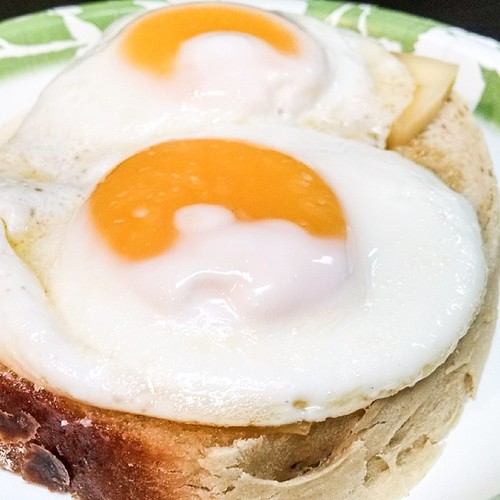
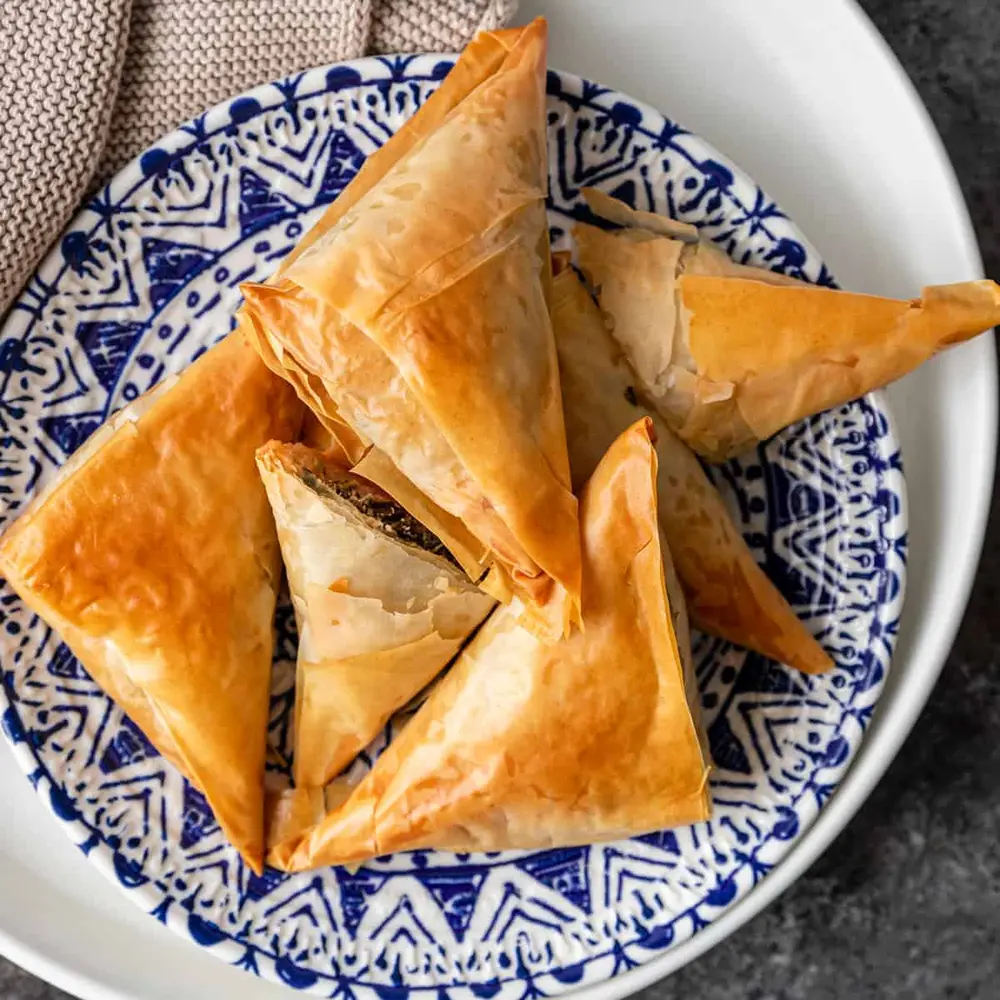
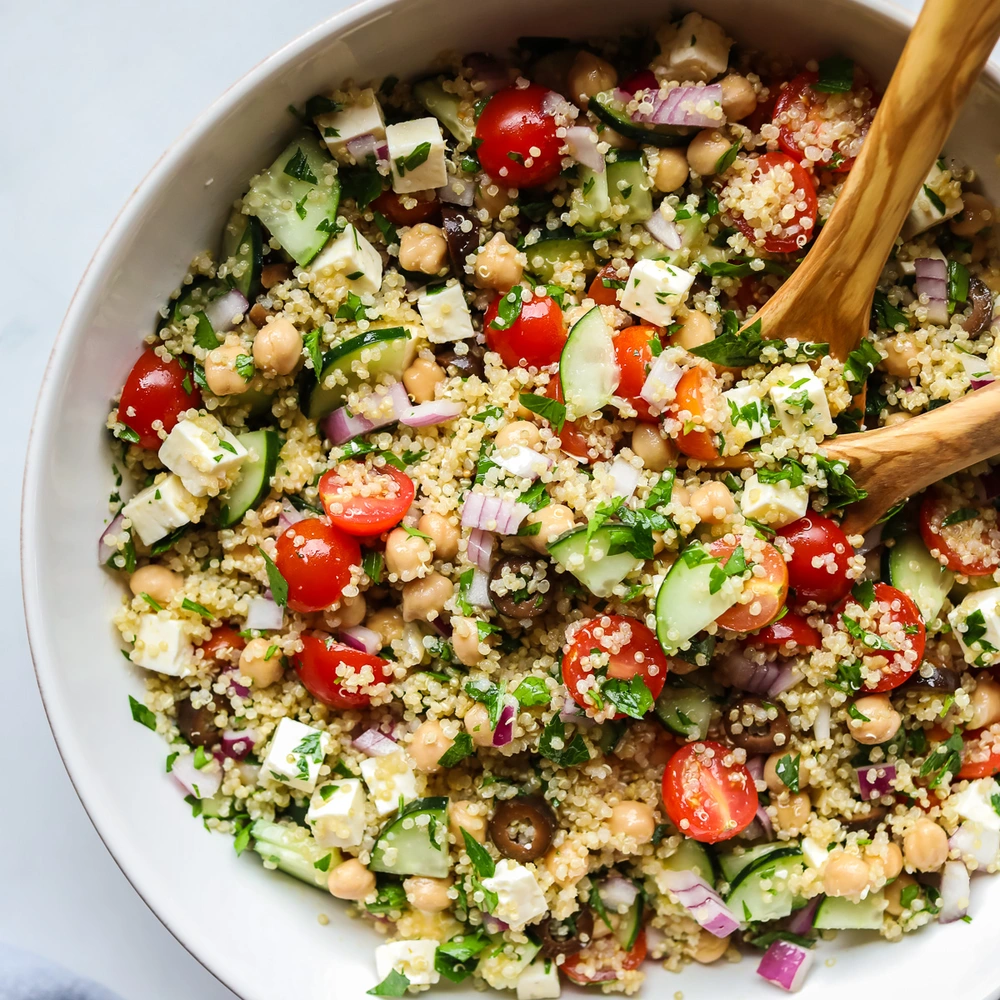
🥗 Best Meals to Break Your Fast
Gentle, nutrient-dense dishes designed to avoid insulin spikes and digestive discomfort when exiting your fast.
📚 You Might Also Like

Fasting & Stretching: Morning Mobility Routines for Autophagy, Lymphatic Drainage & Stress Relief
Fasted Walking (10,000 Steps) + 16:8: The Ultimate Low-Stress Fat-Burn Protocol